10 essential tips for better storytelling in digital marketing
You’ve poured your heart and soul into a project—maybe even your very first personalized children’s book. You’re proud, you announce it online: "My book is now available!" And then… silence. No comments, no orders, just the sound of digital crickets.
This is a reality for so many creators and entrepreneurs. In a world overflowing with content, dry facts and sales pitches just don’t cut it anymore. What works? Sharing your journey, your mission, and the person behind the product. People crave meaning. They don’t just want to buy a product—they want to be part of a story.
If you’re wondering how to make your marketing feel less like selling and more like connecting, you’re in the right place. Let’s dive into ten practical steps to share your story in a way that truly resonates—and gets results.
The science behind the magic of a good story
Before we get into the practical tips, it’s helpful to understand why storytelling is so powerful. It’s not just a marketing buzzword—it’s rooted in neurobiology.
When we read a list of facts, only two areas of our brain light up. But when we hear a story, our whole brain is engaged. Research from Stanford University shows that stories are up to 22 times more memorable than standalone facts.
When you share a story with tension or a challenge, your reader’s brain releases cortisol (for focus) and dopamine (for reward). Add a relatable, human element, and you get oxytocin—the hormone that builds trust and connection. In an age where consumers are skeptical of traditional ads, authentic connection is your most valuable asset. According to the Harvard Business Review, customers who feel an emotional connection to a brand are 52% more valuable than those who are just satisfied.
So how do you turn this science into real-world marketing? Here’s your blueprint.
The foundation of your story: structure and relatability
A powerful story doesn’t have to be complicated, but it does need a solid base. Forget generic examples from big corporations—focus on what works for you as a creator or small business owner.
1. Make your reader the hero, not yourself
The biggest trap in marketing? Making your brand or book the hero. Instead, use the classic Hero’s Journey in a relatable way. Your reader is the hero facing a challenge (like finding a meaningful gift or a book their child truly sees themselves in). You’re the guide offering the solution. Shift your message from "Look what I made" to "Look what you can experience."
2. Share your real ‘why’
People don’t buy what you do—they buy why you do it. But skip the over-the-top mission statements. Be honest. Did you write your children’s book because you couldn’t find a story about a child with two moms? That’s your story. Authenticity is your best filter against cringe-worthy marketing.
3. Use the Pain-Insight-Joy structure
Every good story needs friction. For your posts and content, try this simple trio:
- Pain: Describe the problem or frustration (e.g., "I couldn’t find the right words for my story.")
- Insight: The moment of realization ("Until I realized perfection isn’t needed—just honesty from the heart.")
- Joy: The solution and result ("Now I’m holding my own beautifully illustrated book.")
Digital channels and AI in 2025
The way we create and share stories has fundamentally changed. We now have tools that make the process more accessible than ever.
4. Use AI as your creative co-pilot (not your ghostwriter)
Many creators freeze when it’s time to write about their own work. That’s where smart AI tools come in. At Mr Tales, we believe technology should enhance creativity, not replace it. Use AI to clarify your message. Don’t just ask a tool, "Write a post to sell my book." Instead, try: "I wrote a children’s book about overcoming anxiety, inspired by my daughter. Give me three ideas for a heartfelt LinkedIn post sharing my motivation, without sounding too salesy."
5. Tailor your ‘hook’ to each platform
Your story stays the same, but the way you introduce it (the hook) should fit the platform. On TikTok or Instagram Reels, start visually and jump right into the action ("Here’s how I created a children’s book in 30 days with zero drawing experience"). On LinkedIn, focus more on your process, your journey as a creator, or the impact your story can make.
6. Embrace micro-storytelling
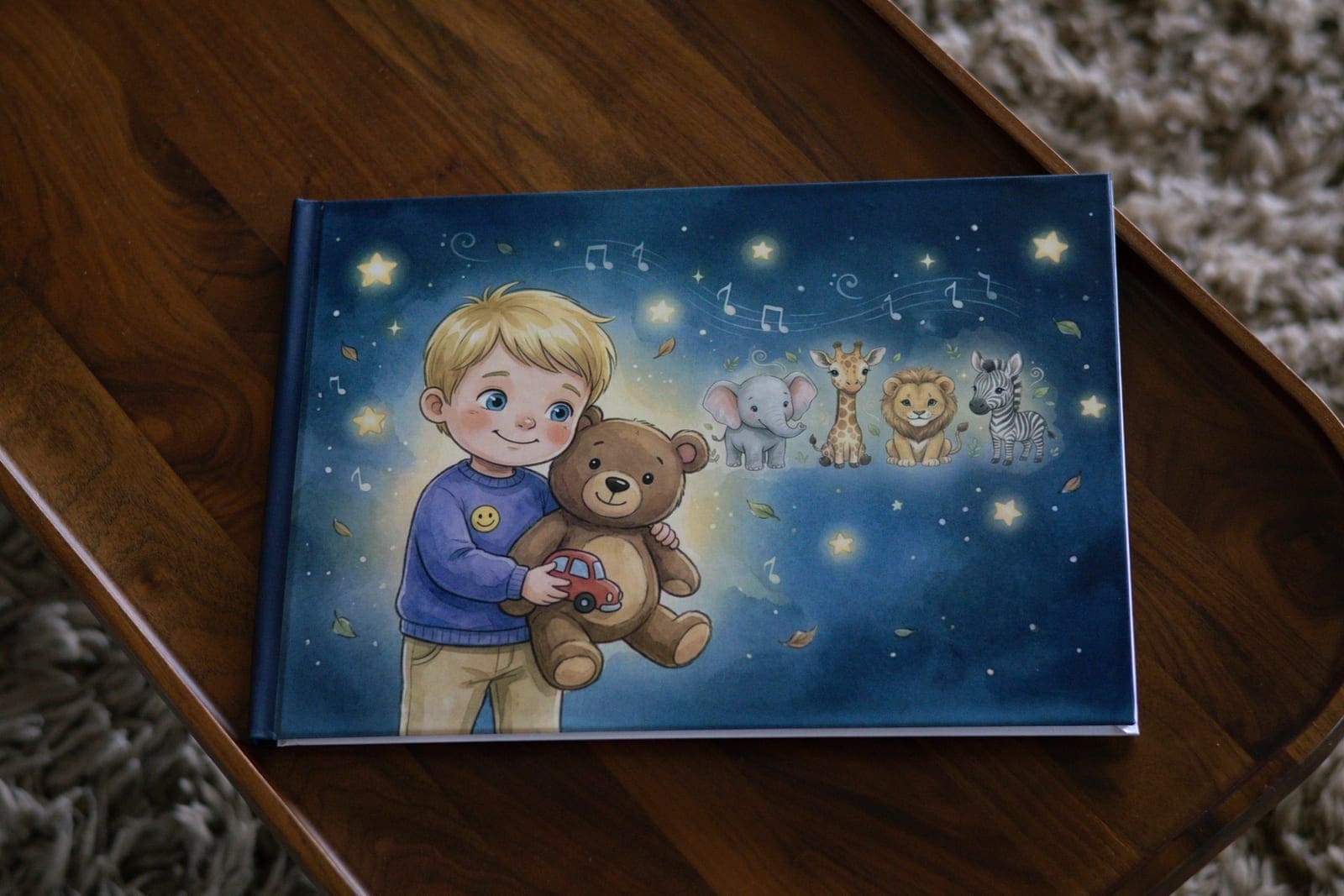
You don’t need to write long essays to make an impact. Micro-storytelling is about sharing small, everyday moments that support your bigger story. A photo of a failed first sketch, a video of your child holding the printed book for the first time—these behind-the-scenes glimpses build real trust.
Turning soft stories into hard results: data and impact
A beautiful story is wonderful, but in digital marketing you also want to know if it’s working.
7. Weave data into your emotional narrative (evidence-based)
Stories and stats aren’t enemies—they strengthen each other. Did you create a picture book to help kids read? Share the story of one child who now loves reading, then back it up with data: "That’s why I do this—just like 1 in 10 kids in the US, Max struggled with reading…" You make a big problem tangible with a human face.
8. Prove your ROI by measuring engagement
In 2025, expect that 82% of consumers will stay loyal to brands with high emotional engagement. How do you measure this? Look beyond likes or direct sales. Track the quality of comments, the time people spend on your landing page, and how often your story is shared or saved. Those are the real signs your story is connecting.
9. Don’t come across as ‘forced’
Be careful not to make your storytelling feel like a Hollywood trailer. Be open about your setbacks. Share what went wrong while publishing your book. It may feel counterintuitive, but showing your imperfections actually builds trust in your brand.
10. Always make your story visual
Text alone is losing ground. Make sure your stories are paired with strong visuals. These don’t have to be expensive photoshoots. Authentic snapshots of your workspace, your notebooks, or a sneak peek at your illustrations often work better. It makes the creative process real and relatable.
Frequently asked questions about storytelling in marketing
We often hear from creators and entrepreneurs who wonder if storytelling is really for them. Here are the most common questions we get:
I’m not a writer—can I do this?
Absolutely. Storytelling in marketing isn’t about fancy language—it’s about being real. Talk to your audience like you would to a good friend at your kitchen table. Plus, intuitive AI tools can help you organize your thoughts so you can focus on your message.
Doesn’t storytelling take too much time?
It takes time to craft your core story once. But once you have it, it actually saves you time. You don’t have to invent a new marketing trick every time—you can create endless micro-content from one strong story.
My product is really simple—do I even have a story?
Every idea starts somewhere. Even if you’re just selling a notebook or a simple children’s book, there’s a reason you made it and designed it your way. That’s your story.
Your next step as a storyteller
Storytelling isn’t a trick you tack onto your marketing at the end—it’s the thread that runs from your first idea to the moment someone holds your work in their hands. By combining the science of storytelling with the accessibility of modern AI tools, you don’t have to be a marketing expert to connect with your audience. You just need the courage to share your unique perspective.
Everyone has a story worth telling. Whether you’re just starting out or you’re an experienced creator, the most important thing is to begin. Take a moment, think about who you really made that project for, and share that feeling with the world. Your readers are waiting for you.