Why the future of children's books is in a voice, not on a screen
Every parent or teacher recognizes the challenge: screens are everywhere, and it's a constant battle to keep kids engaged with real books. We want our children to experience the magic of turning pages, the smell of paper, and the wonder of colorful illustrations. But after a busy day, finding the time and energy to read aloud can be tough.
That guilt creeps in—how can we nurture a love of reading in a world overflowing with digital distractions?
The answer isn’t to ban technology, but to use it wisely. The world of children’s books is evolving fast. Audio isn’t just a substitute for physical books—it actually enhances them. By combining spoken stories with printed pages, we create a powerful hybrid that helps kids read independently, with more focus and renewed joy.
The science and real-world experience behind this innovation are changing the way we share stories forever.
The science behind listening and reading together
Some parents wonder: “Is listening really reading?” Cognitive science says yes. When a child listens to a story while looking at the pictures in a physical book, something called Dual Coding Theory kicks in. The brain processes the visuals and the spoken words through two different channels, reinforcing each other and making the story stick much deeper.
This is backed by research:
- Building vocabulary: A recent meta-analysis from a Dutch reading study (2024) shows that audio support with books has a direct positive impact on vocabulary. Kids who listen and read along pick up new words faster.
- Support for reading challenges: For children with dyslexia or other reading difficulties, the impact is even greater. Research shows that audio support can lead to huge leaps in reading skills and confidence.
- Less cognitive overload: When a child struggles to decode letters, there’s little brainpower left for understanding the story. Audio removes that technical hurdle. Kids can follow the plot, feel the excitement and humor, and develop a positive connection to books.
Audio: the ultimate screen-free ally
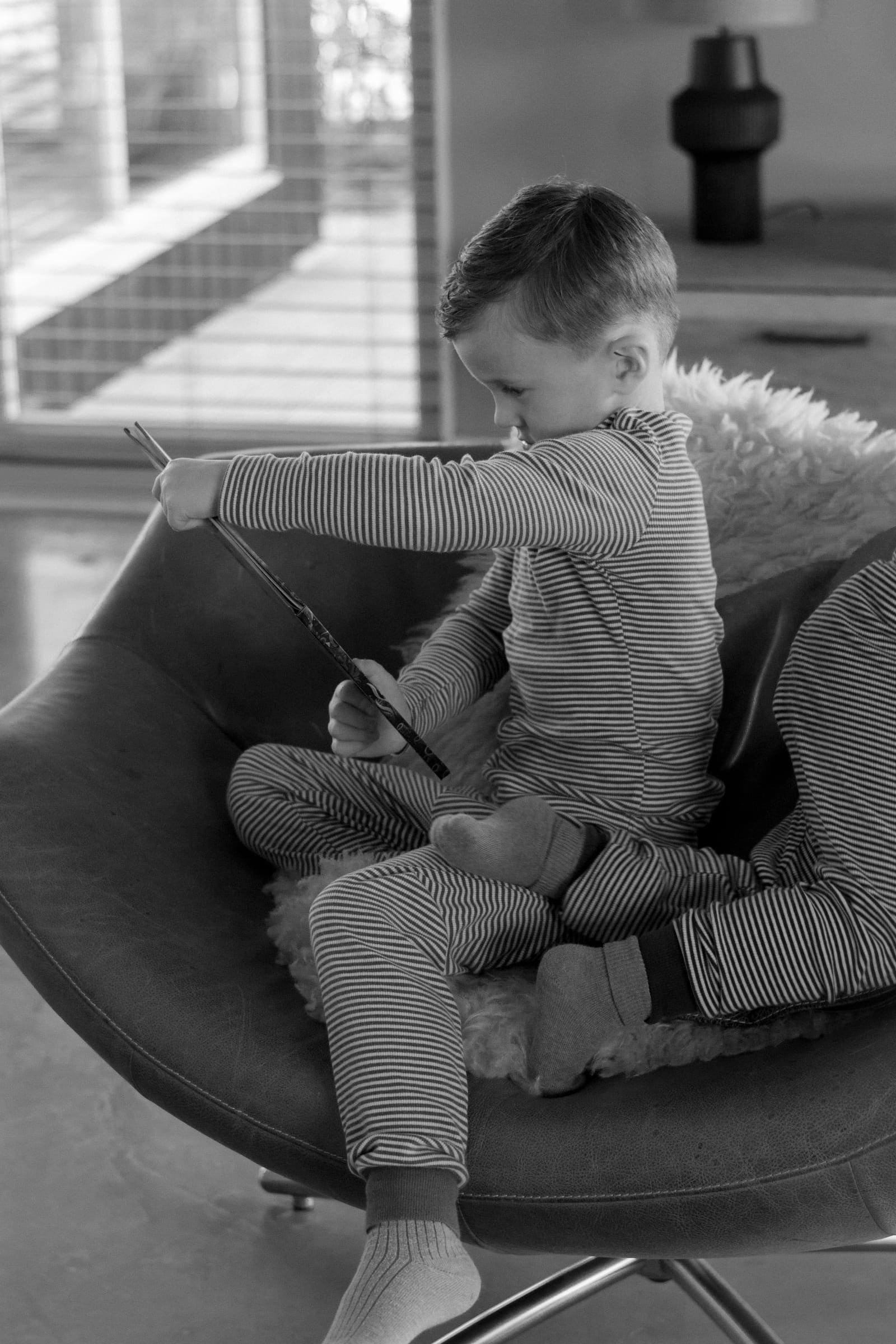
As parents, we’re always looking for ways to limit screen time. We want to avoid endless scrolling on YouTube or TikTok, but we also need moments when kids can entertain themselves—during dinner prep, a long car ride, or a quiet afternoon break.
This is where the combination of physical books and audio shines. It’s the ultimate screen-free innovation. Devices like the Yoto Player, Tonieboxes, or books with QR codes let kids listen to stories—no screens needed.
Your child can hold a real book, gaze at beautiful illustrations, and listen to a voice telling the story. There’s no blue light to disrupt sleep, no pop-ups to distract, and no algorithms competing for attention. Just pure imagination.
Staying connected: the magic of a familiar voice
A story becomes truly special because of who reads it. But what if that loved one isn’t nearby? One of the most heartwarming advances in hybrid books is the ability to add your own audio recordings to a physical book.
Imagine your child curling up with a picture book and, with a single tap, hearing Grandma or Grandpa’s voice—even if they live far away. Or a parent’s voice when work keeps them on the road. This personal touch makes reading together intimate and comforting, wherever you are.
This technology also invites new readers to join in. Research from a German reading foundation found that 20% of dads who rarely read aloud are happy to record stories digitally. Technology doesn’t have to separate us—it can actually bring families closer around a story.
Comparing the options: why hybrid wins
Different ways of reading show why combining a physical book with audio is so powerful.
Reading a digital book on a tablet means more screen time, blue light, and lots of distractions. The mental load is high because of flashy animations. A traditional book offers a rich, hands-on experience, but young kids can’t always read independently and decoding all those letters can be tough.
The hybrid book is the best of both worlds. Kids get the tactile joy of paper and the focus of a screen-free story. The mental load is low, so children can focus on understanding the story. This means even young kids can enjoy books on their own. Plus, the combination of visuals and audio gives the biggest boost to vocabulary.
How to add audio to your own children's book
Writing your own children’s book is more accessible than ever. Whether it’s for your own kids or grandkids, your classroom, or to share with the world, you no longer have to jump through hoops with traditional publishers.
With the Mr Tales platform, anyone can design, publish, and sell a professional-quality children’s book. And the best part? You can easily add your own audio.
Here’s how simple it is—no tech skills required:
- Write and design your story: Use Mr Tales’ intuitive tools to bring your story to life. Need help with writing or illustrations? AI-powered creative assistants are there to help you every step of the way.
- Record your own reading: Use your smartphone or a simple microphone to record the story. You can do it yourself, have your kids voice the characters, or invite grandparents to read a chapter.
- Link the audio to your printed book: Add a unique QR code to your book’s pages using the Mr Tales layout tool. When readers get the printed book, they simply scan the code with a phone or tablet to hear your voice (or sound effects) instantly.
- Publish and share: Order your book print-on-demand for yourself, or offer it for sale in the Mr Tales shop to reach more families.
This way, you give kids a lasting memory and inspire them to read again and again.
Frequently asked questions about audio and children’s books
Does audio make kids lazy, so they read less on their own?
Not at all. Research actually shows the opposite. Audio lowers the barrier to reading, so kids experience the joy of stories sooner. That feeling of success motivates them to pick up more books. Listening also helps with understanding sentence structure and pronunciation, which supports independent reading later on.
Isn’t it less cozy if a computer or app does the reading?
Audio should never replace live reading with a parent. Snuggling up together with a book is still the ultimate bonding moment. But audio is a fantastic tool for those times when you can’t be there, or when your child wants to explore a book on their own. And with QR codes, you can record your own voice, so the story still feels personal.
Do I need to be a tech expert to add audio to a book?
Absolutely not. The technology is incredibly user-friendly. Platforms like Mr Tales are designed for creators with no technical background. Adding an audio link is as easy as uploading a photo to social media.
Your story deserves to be heard
Stories are the building blocks of imagination. They teach us who we are and how the world works. By enriching the classic book with the warmth and accessibility of audio, we give children a beautiful gateway into the world of stories.
Do you have a story in your heart waiting to be shared? Whether it’s a personal adventure for your own kids, an educational project for your class, or a dream to publish your own picture book, the tools are right at your fingertips. With the intuitive Mr Tales platform, you can turn your ideas into a real, professional-quality children’s book—complete with your own voice.
You don’t have to wait for a publisher’s approval. Take the first step today, let your imagination soar, and bring your story to life for the next generation.