How AI helps you write a custom storybook with your child
Bedtime often starts with a simple request: "Can you tell me a story?" But what if you could turn that moment from passive listening into active creating? Today, technology isn’t a barrier—it’s a bridge. Where writing and illustrating a children’s book once belonged only to professional authors and illustrators, Artificial Intelligence (AI) now opens the door for every parent, grandparent, and teacher.
You might wonder: Is using AI "cheating"? Doesn’t it take away from my child’s creativity if a computer does the work? Actually, the opposite is true. When you use AI as a creative partner instead of a replacement, something magical happens. You become a co-author, and your child becomes the director of their own imaginary world.
In this post, we’ll go beyond simple story apps and explore how technology can help you create not just a book, but a lasting memory—no tech expertise required.
From consumer to creator: a new chapter
The world of personalized children's books has exploded in recent years. You’ve seen the websites: enter a name, upload a photo, and an algorithm drops your child’s face into a pre-made story. Fun, but it lacks the heart of true creation. It’s a product, not a process.
Why this is a parenting goldmine
Recent trends show that parents are looking for deeper experiences. The magic of making a book together is in the interactive language development.
Vocabulary growth: When your child dreams up a "big green dragon," AI can suggest alternatives like "emerald scales" or "mossy wings." This sparks conversations about words and meaning.
Exploring your options: Three ways to create your own storybook
Ready to dive in? There are lots of ways to create a custom storybook. Here’s a look at the three most common routes.
1. The "Push-Button" approach (Storybook Factories)
These companies focus on speed. Upload a photo and your book is "done" in two minutes.
Pro: Fast and easy.
2. The "Tech DIY" approach (ChatGPT + Midjourney)
For tech-savvy parents who love YouTube tutorials. You use ChatGPT for text and tools like Midjourney for illustrations.
Pro: Total control and unlimited options.
3. The "Guided Co-Creation" approach (The Mr Tales Model)
This is the sweet spot for parents who want creative freedom without the tech headaches.
The balance: The platform handles the complex tech (like prompt engineering), but you and your child stay in the director’s seat.
The "Prompt Game": How to create together
What does this process look like in real life? The secret is asking your child the right questions, then feeding those answers to the AI. Think of AI as a super-fast illustrator and assistant sitting beside you—not the author.
Make it a game. Here’s a step-by-step plan to go from idea to story:
Step 1: Define the hero
Don’t just ask, "Who are you in the book?" Go for details.
"What’s your superpower?"
In practice: Mr Tales uses this input to build a consistent character profile. This is crucial—without this "digital blueprint," your hero’s appearance can change from scene to scene.
Step 2: Build the world
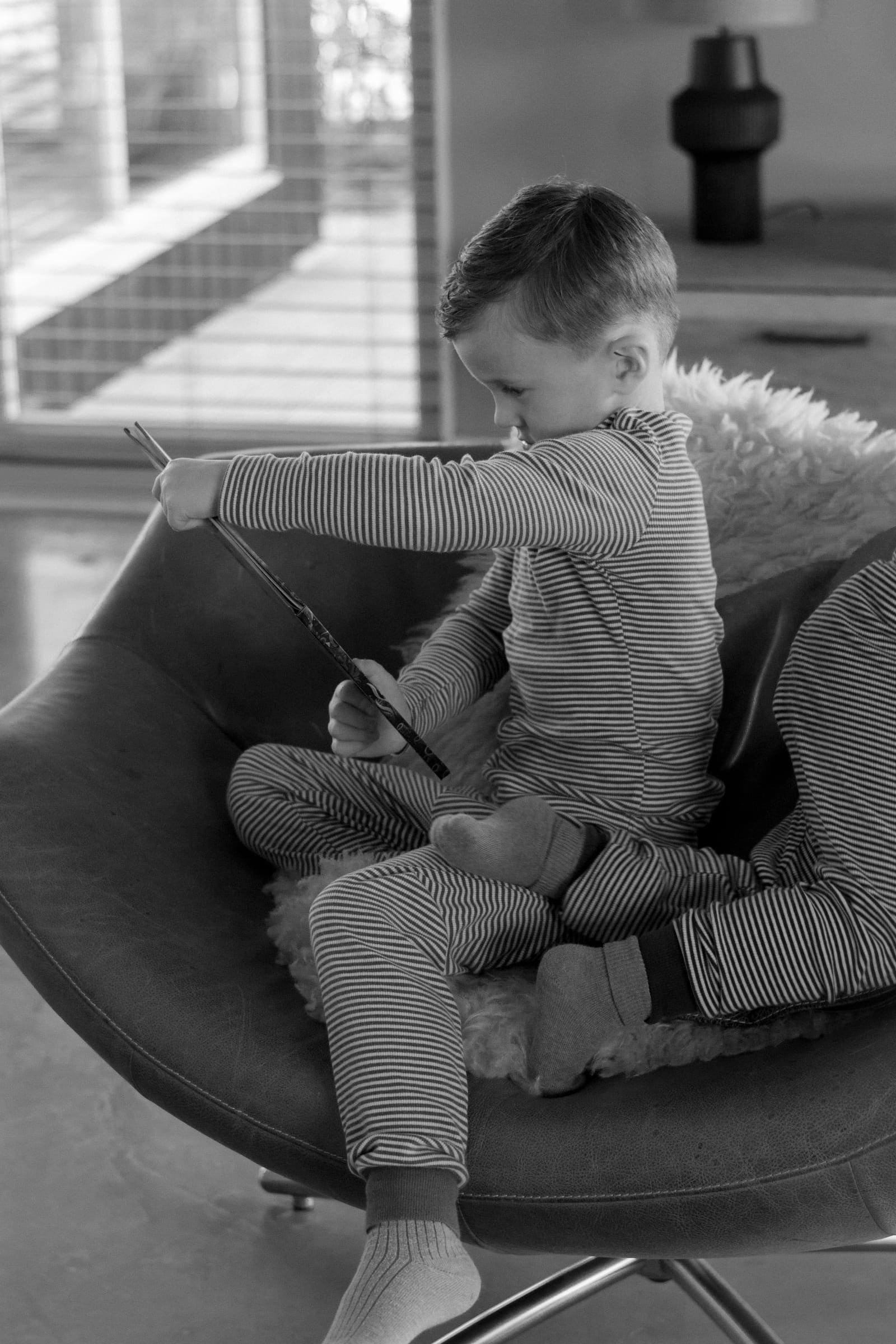
Let your child’s imagination run wild.
"Do we live in a candy city or a forest with purple trees?"
AI’s power is in visualization. Your child says, “A forest with purple trees!” and in seconds, the screen shows that world. This instant feedback (“Wow, is that what you meant?”) is hugely motivating for kids.
Step 3: Create the conflict (The plot)
Every good story needs a problem.
"Oh no, the magic wand is missing! Where could it be?"
AI helps structure your child’s wild ideas (“Then a rocket comes, then an ice cream truck!”) into a story with a beginning, middle, and end—without losing that childlike charm.
The biggest challenge: Consistency and quality
A common frustration for parents using basic AI tools is inconsistency. On one page, the hero has a blue sweater; on the next, a red jacket. For young kids, this breaks the magic—they want to recognize themselves on every page.
Professional platforms solve this with "seed referencing" and character models. Simply put, the system remembers what your character looks like and keeps them consistent—whether they’re flying, swimming, or sleeping. This is where a specialized platform stands out from a generic chatbot.
Style matters, too. Trends in children’s books are moving toward a mix of styles. Where you used to be stuck with one illustrator, now you can choose. Does your child want a Pixar-style book? Or a classic watercolor look like Beatrix Potter? This freedom means the book truly fits your child’s world.
From pixels to print: The real reward
Digital is fun, but nothing beats the moment a package arrives at your door. The physical book is the trophy of your teamwork.
In the past, printing a single book was expensive and complicated. You had to worry about trim sizes, color profiles, and paper types. Now, modern platforms handle it all. Click "order" and the technology turns your digital masterpiece into a professionally bound book, often for less than the price of a pizza.
This democratizes authorship. It’s no longer about publishers deciding what’s “good enough” for the bookstore—it’s about what’s meaningful to you and your child.
Frequently asked questions (FAQ)
Doesn’t AI make my child lazy when it comes to storytelling?
Not at all. AI is a springboard. Kids often get stuck with a blank page (“I don’t know what to write”). AI offers instant visual ideas or story options (“Should we go left into the cave, or right up the mountain?”), keeping creativity flowing. It actually encourages them to take charge.
Do I need to know anything about prompts?
With basic tools like Midjourney, yes. With platforms like Mr Tales, no. The interface is designed so you can use plain language (or simple menus), and the software translates your wishes into the complex code the AI needs.
How long does it take to make a book?
That’s up to you. You can make a simple book in 20 minutes, but many parents find it becomes an afternoon project, or something you enjoy together over several days. The process is just as valuable as the final book.
Conclusion: Your story is waiting to be told
It’s never been easier to become a children’s book author—and the possibilities have never been bigger. It’s not about replacing creativity, but empowering it.
By taking charge of the story and illustrations with your child, you don’t just create a unique book for your shelf. You create a memory of time spent together in a world that’s all your own.
Ready to take your child’s imagination (and your own) seriously? Start the first chapter of your own adventure today.