How to choose the perfect theme for your child: a guide by age and personality
We’ve all been there: scrolling through endless online shops or Pinterest boards, searching for inspiration for a child’s bedroom, birthday party, or a truly special gift. The internet is overflowing with “101 best ideas” lists, but those suggestions often feel a little generic. You’re not just after the latest trend—you want a theme that reflects your child’s unique personality. Something that makes their eyes light up, and that won’t be forgotten in a month.
Choosing the right theme goes much deeper than picking pirates or princesses. It’s about identity, about developmental stages, and about how your child discovers the world. At Mr Tales, where hundreds of parents, teachers, and creatives craft their own children’s books, we see firsthand which stories and themes really resonate with kids.
We go beyond the standard lists. By combining insights from child development psychology with the latest trends, we help you make a thoughtful choice—whether you’re decorating a room or capturing your child’s favorite theme in a custom storybook.
The psychology of choosing: Personality meets age
Why is one preschooler obsessed with dinosaurs and another with space? According to child development experts, it’s all about the cognitive and emotional leaps kids make as they grow.
The perfect theme sits at the crossroads of two things: your child’s age and their personality archetype.
The four developmental stages of a child
Stage 1: The Explorer (ages 0-3)
Around age two or three, kids enter the “me phase.” The world feels big and sometimes overwhelming. Themes for this age should focus on familiarity and sensory calm.
What works: Soft colors, animals they see in daily life, and familiar characters like Bluey or classic picture book friends.
Stage 2: The Imagination Builder (ages 4-6)
This is the golden age of imagination and magical thinking. Pretend play is everything. Kids this age make sense of the world by pretending to be someone else.
What works: Firefighters, princesses, knights, unicorns, and dinosaurs. They want to be the hero of their own story.
Stage 3: The Social Explorer (ages 7-9)
Around seven, a lot changes. Friendships and group norms become crucial. Themes shift from pure fantasy to shared interests, status, and friendly competition.
What works: Pokémon, Stitch, sports themes (like soccer or gymnastics), and adventurous quests.
Stage 4: The Identity Seeker (ages 10-12)
In the preteen years, identity and self-expression take center stage. Kids look to what’s popular online and start forming their own “style” based on TikTok or Pinterest trends.
What works: Gaming (Roblox, Fortnite), Toca Boca, abstract patterns, neon vibes, or a minimalist, mature look.
What’s your child’s archetype?
Besides age, personality is key. By recognizing your child’s archetype, you can choose a theme that highlights their natural strengths.
The Dreamer: Is your child often lost in thought, loves drawing, and is enchanted by magic? Go for themes like Retro Space, enchanted forests, or undersea worlds.
Trends for 2025 and the "Will it grow with them?" check
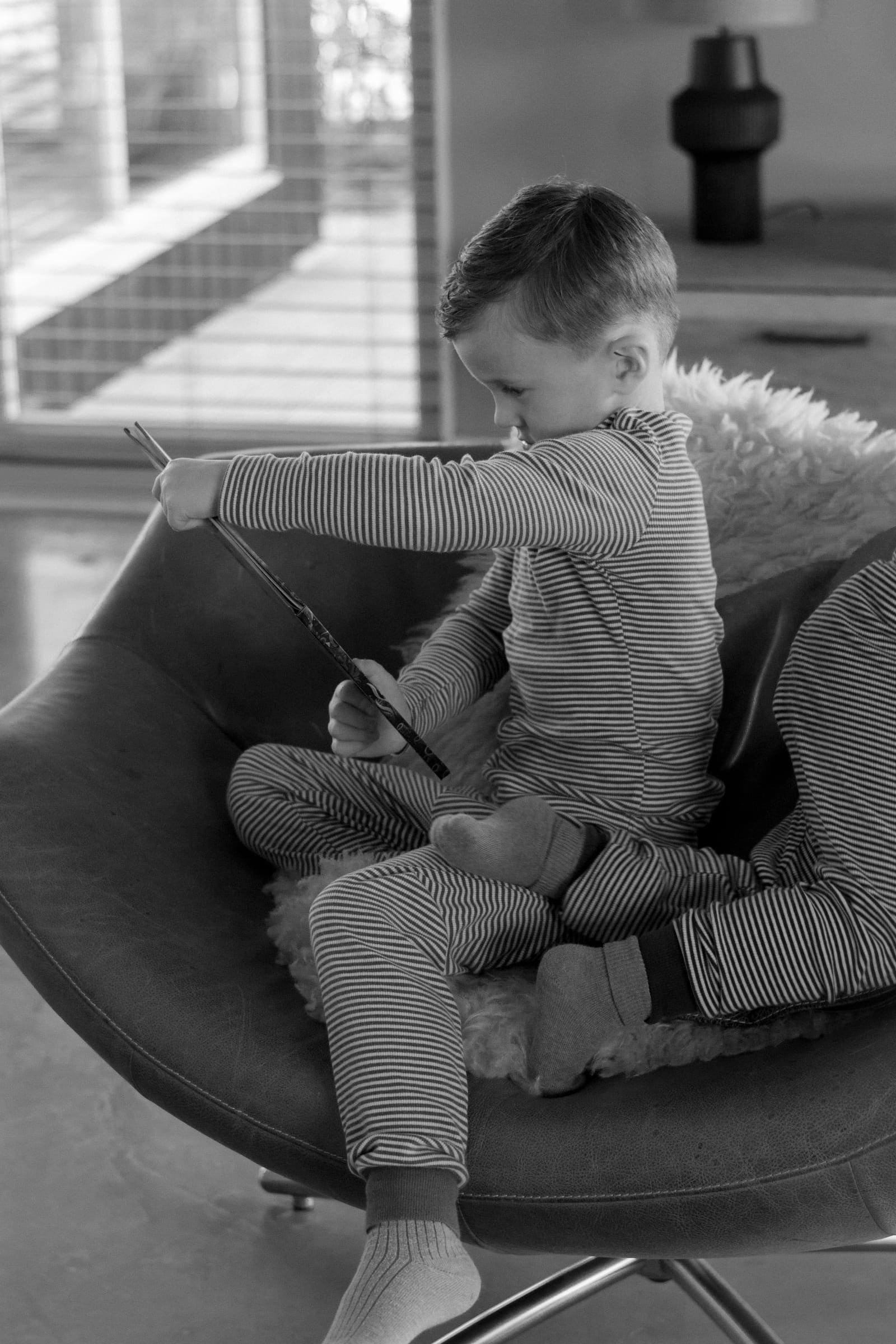
Parents often worry about pouring time and love into a theme (like for a bedroom), only for their child to lose interest six months later.
Looking at trends for 2025, we see a big rise in gender-neutral and sustainable themes. Where bold colors once ruled, now there’s a shift toward softer palettes like Boho Jungle or Retro Space. These styles are cozy, calming, and—most importantly—they grow with your child.
How do you apply the “Will it grow with them?” check?
Separate the basics from the accessories. Choosing a jungle theme? Paint the walls a timeless soft green and use removable elements (like stuffed animals, posters, or bedding) for the tigers and monkeys. When the jungle phase passes, just swap out the posters for a galaxy, and the green base still works beautifully.
From theme to lasting memory: Create your own book
Found the perfect theme for your child? We often express it with a birthday party or a new room. But there’s a way to capture this special stage in your child’s life forever: by turning their favorite theme into a custom storybook.
Imagine your four-year-old “Imagination Builder” not just playing with dinosaurs, but starring as the hero in a beautifully illustrated book about a dino island. Or working with your nine-year-old “Social Explorer” to write an exciting story about a Roblox-style gaming adventure.
At Mr Tales, we believe anyone can be an author. You don’t need technical skills or artistic talent. Our platform is designed to make storytelling as easy as possible:
Smart writing help: Our AI-powered tools help you structure your ideas into a flowing story that fits your child’s age.
The result isn’t just a standard personalized book with your child’s name—it’s a 100% unique story, dreamed up by you, in the theme your child loves most right now. There’s hardly a more meaningful or personal gift. And who knows? Maybe your story is so much fun, you’ll want to share it with the world through our integrated marketplace!
Frequently asked questions about choosing a theme (FAQ)
What if my child has a new favorite theme every month?
This is totally normal, especially in the “Imagination Builder” stage (ages 4-6). Look for the common thread. If your child loves knights this month, superheroes last month, and firefighters before that, the core theme is “The Hero” or “The Rescuer.” Focus on that feeling, not just one character.
I want to create a story around my child’s favorite theme, but I’m not creative. Can I still do it?
This is exactly why Mr Tales exists. Most of our creators are parents, teachers, or relatives with no writing or design background. Our technology acts as your personal assistant, helping with writer’s block, generating images, and laying out the pages. You bring the love and the idea; the platform helps with the rest.
What age is a custom theme book suitable for?
Any age, because you decide the content! For a 2-year-old, make a simple book with few words, lots of contrast, and easy themes (like “Lisa goes to sleep on the farm”). For a 10-year-old, create a more complex adventure—or invite them to write the book with you on our platform.
Next steps: Bring your theme to life
Choosing a theme that fits your child’s age and personality is a beautiful way to say: I see you, and I celebrate your imagination. Whether it’s a fresh coat of paint or a birthday cake, it’s about affirming who they are.
Want to capture this special stage in a keepsake that lasts a lifetime? Start writing. Your idea, your story, made just for them.
See how easy it is to bring your ideas to life. Start creating your own children’s book in our intuitive studio today. In just a few weeks, you could be holding your very first, self-written book. Your child is the hero—and you’re the storyteller.