A platform that empowers unique children's books
Maybe you've had a story in your mind for a while now. It could be about a child with two moms, an adventure set in your own small town, or a gentle tale to help talk about the loss of a grandparent. You just know this book needs to exist. That feeling when your child finally finds a book where the main character shares their name, or sees a family that looks like theirs—that kind of recognition is priceless. But when you try to figure out how to get your story into kids’ hands, you quickly run into rejection, confusing distribution rules, and high upfront costs.
Not long ago, publishing a children's book was something only a select few could do. Today, digital book platforms are changing the game. They bypass traditional gatekeepers and give a voice to the 'misfit makers': passionate writers, parents, teachers, and creatives with stories that are too specific, too personal, or too bold for mass-market publishers—but that can change lives.
The invisible barriers of traditional publishing
It's an open secret in the book world: major publishers reject about 99% of unsolicited children's book manuscripts. This '1% barrier' isn't always about the quality of your writing. More often, it's a business decision.
Traditional publishers have to invest thousands of dollars upfront in printing, storage, and marketing. To make that money back, they look for stories with the broadest possible appeal. This means unique, local, or highly specific stories are often the first to be cut—even though there’s a growing demand for books that reflect the diversity of real families and experiences. If your book doesn’t fit the mold of a commercial bestseller, you’re out of luck. Or at least, you were.
Why your niche is your superpower
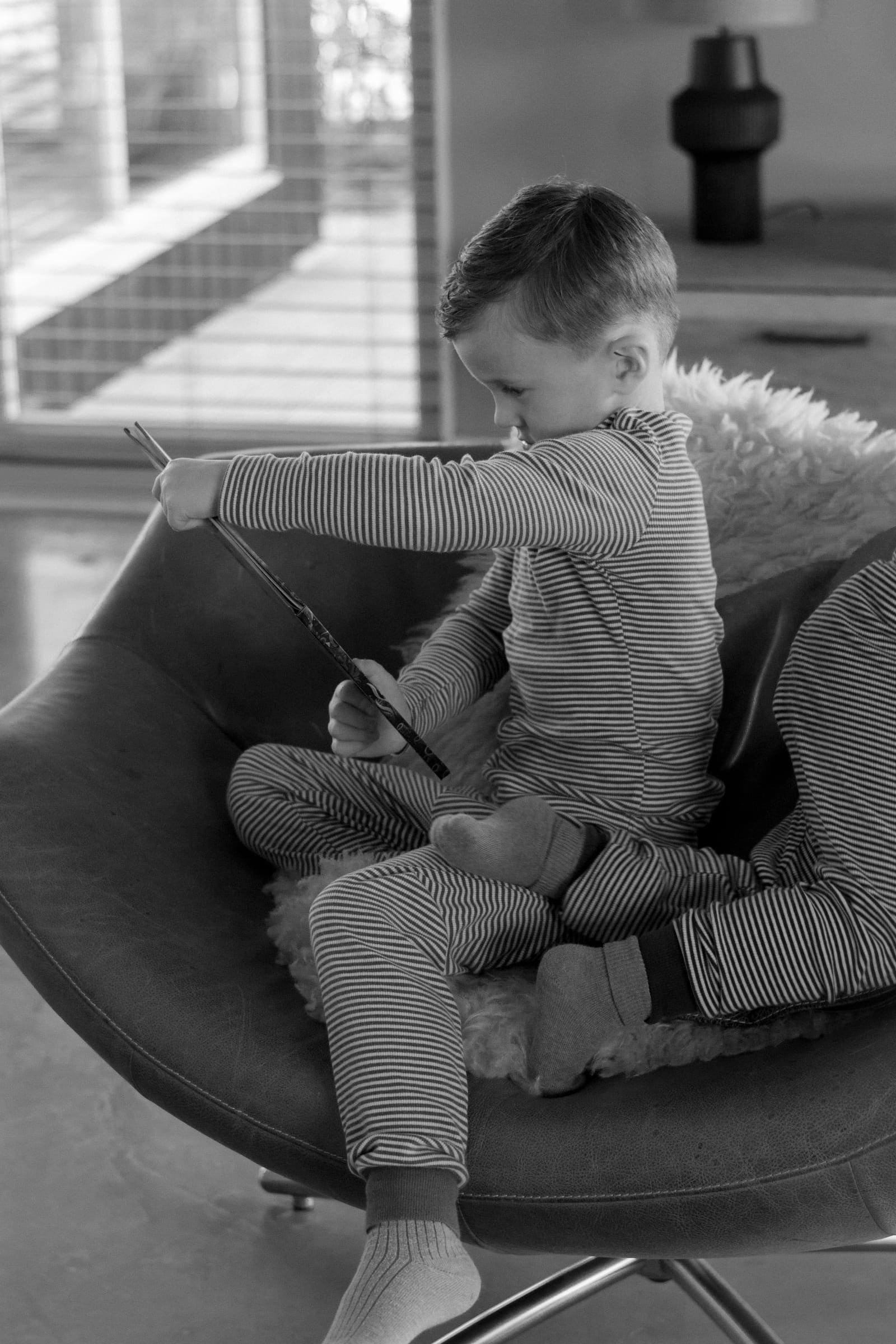
When a traditional publisher says your audience is 'too small,' they mean their sales model isn’t built to reach that group. But in today’s online world, things are different. A book written for kids growing up in a small town, or a story that addresses a rare medical condition, doesn’t need a million readers to be meaningful.
These 'niche stories' often build incredibly strong connections with their readers. Kids and parents may forget a generic story about a fall forest, but a book that feels deeply personal or local is cherished. Parents, teachers, and therapists are actively searching for these kinds of stories.
How we discover books has changed, too. Communities on platforms like TikTok (#BookTok) and Instagram prove you don’t need a spot in a big chain bookstore to reach thousands. A heartfelt recommendation from a micro-influencer or a relatable post in a Facebook group for parents is often far more effective than a traditional ad campaign.
From idea to real book—without breaking the bank
If you try to self-publish a children’s book the traditional way, you’ll quickly find the process full of hurdles. Professional self-publishing often costs between $1,300 and $4,000 in the US, with most of that going toward:
- Illustrations: Hiring a professional illustrator is usually the biggest expense.
- Design & Layout: Children's books require careful design and a balance between text and images.
- Editing: Polishing your story so it truly resonates with your audience.
- Printing and minimum orders: Many printers require large minimum orders, leaving you with boxes of unsold books at home.
Modern book platforms are changing all that. Instead of hiring separate freelancers and risking thousands, an integrated platform like Mr Tales brings every step together in one easy-to-use space.
Advanced AI tools help you write and create illustrations, while smart templates make it simple to design a professional-looking book. You don’t need technical skills or art experience. Plus, print-on-demand means your book is only printed and shipped when someone orders it—so there’s no inventory risk and no big upfront investment.
One of our creators—a mom whose child has celiac disease—used the AI illustration tool to create a scene where the main character eats a gluten-free pancake. It’s a detail she couldn’t find in any standard picture book, and it made her story uniquely meaningful for her family.
Keep your creative freedom
Self-publishing no longer means sacrificing quality. In fact, it lets you keep full control of your creative vision. Where a traditional publisher might ask you to cut a 'difficult' scene about loss to make the book more marketable, as an independent creator, you make all the decisions.
The modern 'hybrid creator' approach gives you the best of both worlds:
- Creative freedom: You choose the style, themes, and tone of your story. AI tools don’t replace your imagination—they help bring it to life, get you past writer’s block, and visualize the characters you’ve dreamed up.
- Professional distribution: Make sure your book gets seen. Modern platforms connect directly with major online retailers and their own integrated marketplaces, so your book can sit right alongside titles from big publishers.
Technical details for a polished, professional book
Pay attention to the technical side, and readers will take your book seriously. A book that looks 'homemade' (in the wrong way) quickly loses trust. When publishing, keep these things in mind:
- The right category code: In the US, make sure your book’s metadata matches the right BISAC category so it’s easy to find in online stores.
- Paper and binding: Kids aren’t always gentle. For picture books, a sturdy hardcover and high-quality paper make your illustrations shine and your book last.
- Metadata and keywords: Since you’re not relying on a physical bookstore display, digital search is everything. Use specific keywords in your description that parents actually search for (like "children’s book about moving to a new town" instead of just "an exciting adventure").
Frequently asked questions about publishing your own children's book
Is my personal story 'good enough' to publish?
It’s normal to worry about rejection or feel like an impostor. Most traditional rejections aren’t about the emotional value of your story—they’re about market size. If your story comes from genuine experience or passion, chances are there are parents and kids out there waiting for exactly this book.
Will a book made through a digital platform look 'real'?
Absolutely. Print-on-demand technology has come a long way. Today’s paper, printing, and hardcover quality are nearly indistinguishable from books produced by traditional presses.
How much do I earn per book sold?
With traditional publishers, authors usually get 5–10% of the retail price. On a platform, you keep a much bigger share, since there are fewer middlemen. After printing costs, you set your own margin and earn a fair reward for your creativity.
Do I have to buy and ship thousands of books myself?
No. Thanks to print-on-demand, your book is only printed and shipped when someone orders it. The platform handles payment and delivery automatically.
Your story deserves to be read
The world of children's books is no longer controlled by a handful of decision-makers. New publishing tools have put the power back in your hands. Stories that comfort, celebrate our diverse world, or simply make a child smile in a unique situation—you can finally publish them.
Have a story waiting in your drawer? Don’t wait for a traditional publisher to see its potential. Take control and discover how easy it is to use today’s creative tools to create your own unique children’s book. The next generation of readers is waiting for your voice.