The art of safe thrills in personalized children's books
You’re sitting at your kitchen table with a fantastic idea for a children’s book. You picture your characters exploring a mysterious forest or discovering a secret room. The butterflies in your stomach tell you: this is going to be a story that keeps kids on the edge of their seats. But then doubt creeps in. Is it too intense? Where’s the line between a fun adventure and a sleepless night?
Writing an exciting children’s story is all about balance. You want to spark imagination and curiosity, but you also want your child to feel safe enough to drift off to sleep after reading. Thankfully, you don’t have to rely on guesswork. By blending writing craft with a bit of child psychology, you can create stories that are thrilling—without crossing into real fear.
Why kids crave safe excitement
It’s natural to want to shield kids from negative emotions. But studies show that “scared” is actually the most common negative emotion in picture books and children’s stories—more so than anger or sadness. Kids have a natural need for a little thrill, as long as it’s in the right context.
Excitement in a story acts like an emotional playground. Experts say that getting a little spooked in a story is valuable for social and emotional growth. It lets kids practice facing their fears in a safe, controlled environment. Psychologists call this “bibliotherapy.” When a child reads about a character overcoming a scary challenge, they build confidence and resilience in real life. The key is a guaranteed happy ending that restores balance and safety.
Your reader’s emotional home base
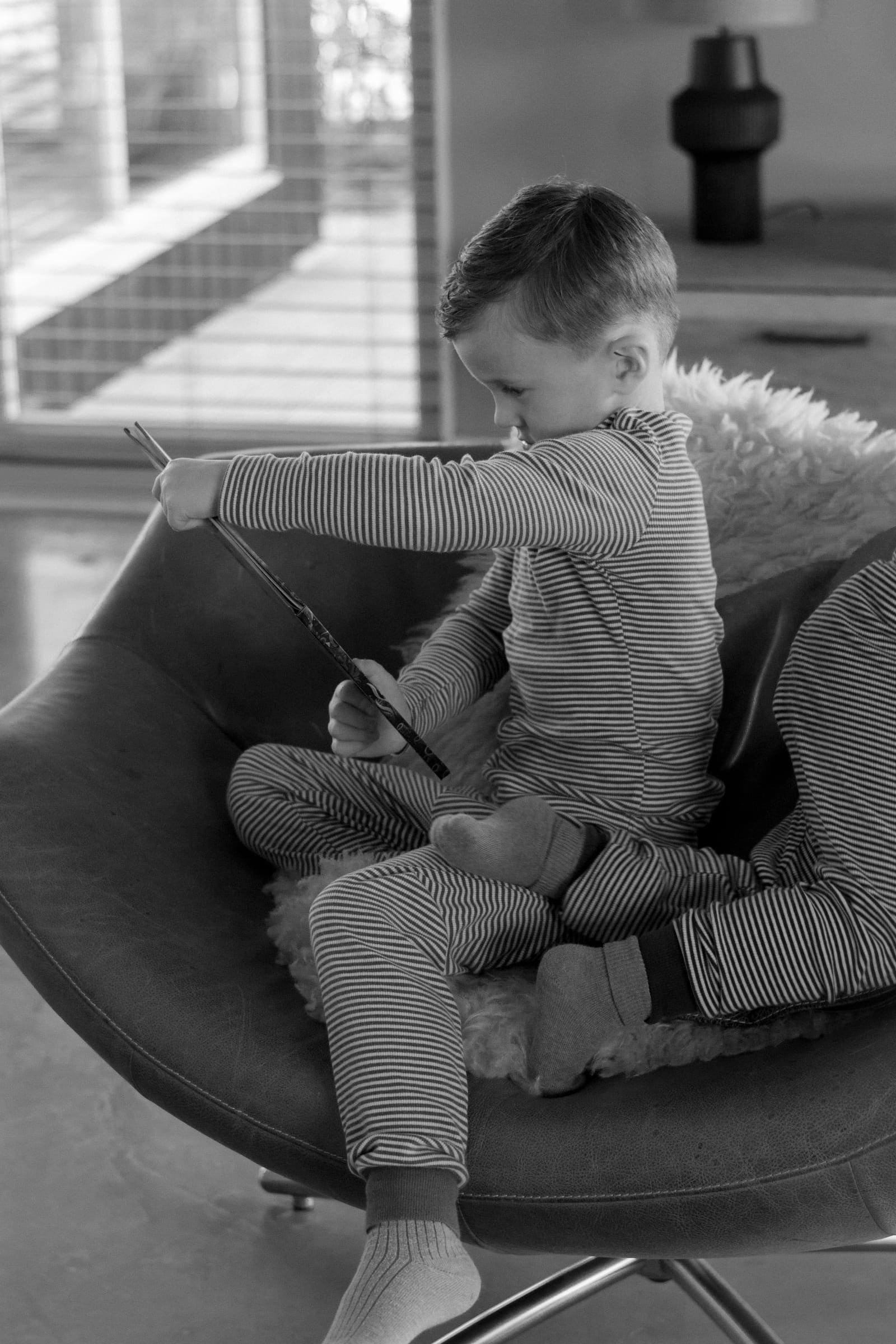
One of the secrets to a successful suspenseful children’s book is the safe haven. This is a physical or emotional place in your story where absolutely nothing bad can happen. Think of the cozy common room in Harry Potter or a warm treehouse where friends gather and make plans.
The safe haven acts like an emotional rubber band. You can pull your reader deep into adventure, as long as you regularly snap them back to that safe, comforting base.
How to use the safe haven in your writing
- Start and end at home: Begin your story in a familiar, warm setting and make sure it ends there, too. This restores your reader’s emotional balance.
- The pit stop: After a suspenseful scene, let your characters catch their breath. Maybe they drink hot chocolate, tell jokes, or hide out in a cozy spot. This gives young readers a moment to relax, too.
- Sensory anchors: Describe your safe haven with comforting sensory details—the smell of fresh-baked cookies, the soft glow of a fireplace, or the soothing hum of a parent’s voice.
Cliffhangers and humor
In adult thrillers, authors use cliffhangers to leave readers in suspense—or even dread—at the end of a chapter. In children’s books, we do things differently. Suspense is used to spark curiosity, not to scare.
The curiosity cliffhanger
Instead of leaving your character dangling over a cliff, end a chapter with a surprising reveal or a strange mystery.
What not to do: “The floor beneath her feet split open and she plunged into the deep, dark pit…” (This creates real stress before bedtime.)
What to do: “She turned the key in the lock, opened the heavy chest, and gasped. This changed everything…” (This sparks curiosity: what’s in the chest?)
Humor as a pressure release
Humor is the ultimate tension-breaker. When things get too intense, a funny moment can instantly release the pressure. This is sometimes called a “slapstick release.”
Imagine your main character creeping down a dark, creaky hallway. The shadows move and there’s a spooky, soft snuffling sound. Just as the tension peaks, a chubby, cross-eyed housecat leaps out, loudly purring and nearly knocking over a vase. Instantly, the tension dissolves and your child is giggling. They breathe a sigh of relief and are ready to keep reading.
The cozy mystery trend: safe suspense for kids
In children’s literature, 2024-2025 is seeing a big shift toward the Cozy Mystery. Inspired by classic adventure tales but with a modern twist, these stories focus on solving puzzles and unraveling mysteries.
In a Cozy Mystery, the suspense is all about the mind:
- Cracking codes: Let your readers solve secret codes, riddles, or old maps alongside the main character.
- The whodunit: Something strange has happened (maybe the king’s cake has disappeared), and the characters must search for clues and question suspects.
- A magical setting: Think dusty libraries, mysterious islands, or old-fashioned candy shops. The setting itself feels like an adventure to explore.
This approach is perfect for young writers because it keeps readers deeply engaged—without ever crossing into “scary” territory. The reader becomes an active detective, not a frightened bystander.
Author’s checklist for safe suspense
Not sure if your scene is too intense? Check these points. If you can answer “yes” to most, you’re in the safe zone.
Is the threat understandable? Does the reader know why something is scary, or is it just a vague, abstract fear?
Does the main character have control? Is the character actively looking for solutions, or just a passive victim? (Active characters help readers feel in control.)
Is there an emotional release? Does a tense moment quickly lead to humor, perspective, or calm?
Is the villain human or understandable? Do the “bad guys” or monsters have a weakness, a silly trait, or a motive that makes sense? (Nothing is scarier than an invincible, pure evil.)
Is there a safe haven? Is there a place or person in the book where the main character can always feel safe?
Does the ending bring full resolution? Are all loose ends tied up, so the child can close the book feeling secure?
Frequently asked questions about suspense and spooky stories
How do I know if my illustrations make the suspense too intense?
Images can have a stronger impact on young children than words. If you’re creating a suspenseful book, make sure your illustrations soften the tension. Maybe the monster has an oversized, silly nose or wears funny pajamas. On the Mr Tales platform, you can experiment with warm, gentle visual styles so your story and pictures are perfectly balanced.
Can I use AI tools to help manage suspense?
Yes. AI can be a great writing partner. For example, you can enter a scene into the Mr Tales writing assistant and ask, “Make this scene less scary for a seven-year-old by adding a funny moment.” The tool will help you generate alternatives without losing your story’s heart.
What if my main character is alone?
Even if a character is physically alone, they don’t have to feel lonely. Give them an encouraging inner voice or a small keepsake (like a lucky coin from Grandpa). This acts as a mental Safe Haven, so your reader never feels abandoned in the suspense.
From idea to a wonderful, safe, and exciting children’s book
Writing a children’s book that strikes just the right chord is one of the most rewarding creative projects you can take on. You’re building a safe haven where a child can learn, laugh, and enjoy a healthy dose of thrills.
At Mr Tales, we believe anyone with a great idea can become a fantastic author. Our platform is designed to help you overcome any hurdles along the way. For example, we saw a parent use the “Safe Haven” technique to create a story about a quirky hedgehog who leaves his spiky home but always returns to his own personalized tree-trunk house. That’s the power of personalization. Whether you need help with story structure, designing relatable characters, or want to print and share your finished book on demand, we’re here for you every step of the way.
Leave your doubts behind and start shaping your own adventure today. A child’s imagination is ready to be inspired—and with the right balance, you’ll give them a story they’ll carry with them for life.