Storytelling: The creative alternative to screen time
It's 5:00 PM. You're running low on energy, dinner isn't started yet, and you can almost hear the question: "Can I have the iPad?" If you're a parent, you know this moment all too well. According to recent studies, young children now spend an average of 86 minutes a day on screens—almost three times the recommended amount.
Let's be honest: screen time is often less of a choice and more of a survival tactic when you need a break. The search for alternatives usually leads to well-meaning but high-effort ideas like "do a craft together" or "build a fort"—when all you really want is to sit down for a minute.
But there's a missed opportunity here. The most powerful alternative to passive screen time isn't just turning off the device—it's shifting from consuming to creating. Making up stories together isn't an outdated pastime; it's a neurobiological superpower that lights up your child's brain (and yours) in ways no app can match.
In this article, we’ll go beyond the usual lists. We’ll look at the science of storytelling, compare different ways to tell stories, and show you how to make storytelling a simple, calming ritual—even if you feel like you have zero inspiration.
The science: Why your brain loves stories more than pixels
Before we dive into practical tips, let’s look at why storytelling has such a unique impact compared to watching a show. It’s not just about "less blue light"—it’s about what’s happening in your child’s mind.
Neural coupling: The invisible connection
When your child is watching Paw Patrol, their brain is mostly passive, just processing images. But when you tell a story or make one up together, something called neural coupling happens.
Research shows that the brains of the storyteller and the listener actually sync up. The same regions light up, creating a deep emotional connection and helping develop your child’s theory of mind—the ability to understand that others have their own thoughts and feelings. No screen can replicate that back-and-forth.
From dopamine to executive function
Apps are designed for quick dopamine hits. Storytelling, on the other hand, exercises executive functions: working memory, self-control, and flexible thinking. When your child has to figure out how the hero escapes the tower, they’re problem-solving and directing their own world—not just watching someone else’s.
Which storytelling method fits your family?
Not every type of storytelling takes the same amount of energy. If you’re looking for a screen time alternative, it helps to know what “tools” you have and what the return is for your child’s development.
Here’s a comparison of the four most common storytelling levels:
Level 1: Classic read-aloud
- What it is: Reading a book together.
- Pro: Easy, low-effort, great for language development.
- Con: Still pretty passive for your child. After a couple readings, they know the story by heart.
- Best for: Bedtime routines and quiet moments.
Level 2: Tactile storytelling tools (Story stones/dice)
- What it is: Using stones or cubes with pictures to spark a story.
- Pro: Visual cues help kids (and parents) who don’t know where to start. Makes storytelling hands-on.
- Con: Stories can be random and fleeting. They disappear as soon as the game ends.
- Best for: Kids ages 4-8 who love surprises.
Level 3: Audio stories & podcasts
- What it is: Listening to podcasts or audio players (like Yoto or Toniebox).
- Pro: Screen-free and encourages imagination, since kids create the images in their minds.
- Con: No direct interaction with you as the parent. Lacks the magic of creating together.
- Best for: Car rides or independent play.
Level 4: Creating your own book (The Mr Tales Method)
- What it is: Turning your idea into a real, professionally printed storybook, with smart tools to help.
- Pro: The ultimate form of deep play. You combine creativity, structure, and pride. Your child isn’t just a consumer—they’re an author. The finished book is something you’ll keep forever.
- Con: Takes a bit more focus than just turning on a show (but the reward is so much greater).
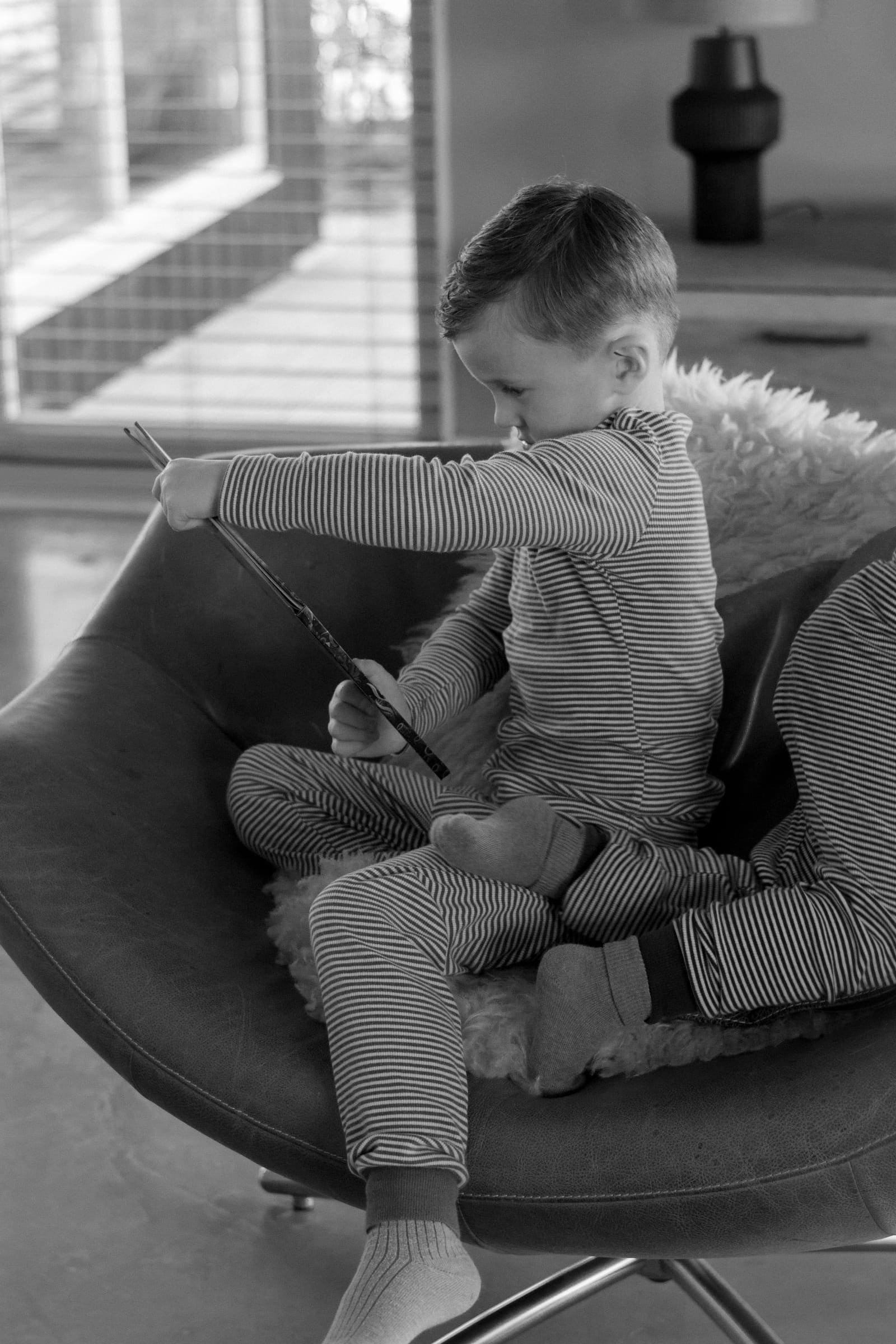
- Best for: Parents and kids who want to create something lasting and capture memories together.
How to start? Try these “5-minute storytelling hacks”
The biggest hurdle for parents is often thinking, "But I’m not creative." Good news: creativity isn’t a magical gift—it’s a muscle you can train with the right tools.
If you’re tired and tempted to hand over a screen, use these prompts to spark creativity without having to invent everything yourself.
1. The “What if…” method
Give reality a little twist.
- “What if… our cat was actually a secret agent?”
- “What if… we lived in a house made of marshmallows?”
This simple starting point is often all it takes to get your child’s imagination going. All you have to do is ask questions: “Oh really? What does she do when we’re asleep?”
2. The object hero
Grab three random objects from the table (a spoon, a keychain, an orange). These are the main characters. Ask your child: “How will the spoon rescue the orange from the fruit bowl?” Focusing on objects takes the pressure off you.
3. Use technology as a partner, not a babysitter
Here’s the strategic shift. Screens aren’t automatically bad—it’s how you use them. At Mr Tales, we believe in using technology to boost creativity, not replace it.
Sit down at the computer with your child—not to watch, but to create.
- Ask our AI tools: “Invent a hero who’s half elephant, half firefighter.”
- See how your ideas turn into illustrations and stories together.
- This transforms screen time into an active, shared adventure.
From fleeting moment to lasting memory
The problem with many creative afternoons is that the results end up in the trash or forgotten. Stories are powerful, but they can be fleeting.
This is where the Mr Tales approach stands out. By turning your made-up story into a real printed book, you send your child a powerful message: Your ideas matter. Your imagination is worth preserving.
This doesn’t just boost language and creativity—it builds confidence. Every time you pull the book off the shelf later, you relive not just the story, but the moment of connection when you created it together. That’s a reward no YouTube video can match.
Frequently asked questions about storytelling
Is my child too young to make up their own story?
Even toddlers can contribute ideas. Around ages 2 or 3, kids start using symbolic play. They might not build a full plot yet, but they know who the hero is (often themselves) and who the villain is (maybe the broccoli). You’re the writer—they’re the idea generator.
Doesn’t this take a lot of time?
Making up a story can take just 10 minutes. Turning it into a book can take as much or as little time as you want. The process itself is the activity. You don’t have to finish in one go—treat it as a project you come back to each week.
Isn’t it contradictory to use a digital platform to reduce screen time?
This is the heart of modern parenting. We can’t wish screens away, but we can change how we use them. There’s a big difference between passive watching and active creating. By using digital tools to make something real, you teach your child that technology is a toolbox, not the goal.
Conclusion: Choose the magic of your own story
You don’t win the screen time battle by banning devices, but by offering something better—something that sparks curiosity and strengthens your bond with your child.
Whether you start with simple story stones at the kitchen table or decide to publish your very first custom storybook together with Mr Tales, you’re choosing connection. And in a world full of distractions, that might just be the most magical story you can tell.
Ready to flip the script and go from consumer to creator? Discover how easy it is to bring your unique story to life.