Teachers as storytellers: how to create a class book together
Imagine your students hanging on every word—not because you’re reading from a textbook, but because you’re all inventing the heroes of a brand-new adventure together. There’s a creative buzz in the air. Imagination is running wild. But then that practical voice in your head whispers: how can I possibly wrangle thirty kids’ wild ideas into one coherent story—without letting it become a chaotic, months-long project?
As a teacher, you know how powerful stories can be. But turning a great idea into a finished product can feel daunting. Traditional methods often stop at storytelling, and digital tools can be overwhelming or disjointed. That’s why there’s a growing need for an integrated approach—one where you’re the storyteller and director, and your class works together like a team of writers.
Let’s take the stress out of class writing projects. Here’s a clear step-by-step plan to bring the magic of storytelling into your classroom, including creative tools that make the process fun and easy.
Why making your own book can reignite a love of reading
Declining reading enjoyment is a challenge teachers everywhere recognize. According to an international reading study, motivation and reading skills have dropped significantly in recent years. But there’s hope: research shows that “story-based learning” can boost student engagement by up to 40% compared to traditional instruction. When kids become creators—not just consumers—of stories, their relationship with language transforms.
Creating a book together checks off so many learning goals: from speaking and vocabulary to creative writing and art. The question isn’t why, but how. How do you organize this without spending hours preparing each night?
The storytelling classroom cycle: a four-week, stress-free plan
To keep your project from getting lost in a tangle of drawings and plot threads, use a simple structure. By dedicating just one hour a week for four weeks, you’ll guide your class from the spark of an idea to a real, printed book.
Week 1: ignite imagination (oral preparation)
It all starts with a conversation. Before anyone writes a word, your job is to spark imagination. You don’t have to be a professional actor—just start with a problem your students can relate to, or tie it to a theme you’re already exploring.
Try this: sit in a circle and use the “Yes, and...” technique. You introduce a character with a problem. For example, “In a forest not far from here lives a squirrel who’s afraid of heights.” Then each student adds a sentence to move the story forward. Jot down key words on the board. This forms the foundation of your story.
Week 2: teamwork (shaping thirty ideas into one story)
This is where many teachers get stuck. How do you turn thirty excited suggestions into a logical plot? Here’s where technology becomes your teaching assistant. Use AI (like an integrated platform or ChatGPT) to quickly bring order to the chaos.
Here are five classroom prompts you can use right away to organize your students’ ideas:
- “My class has created these three characters: [X, Y, Z]. Come up with three funny ways they could meet for the first time.”
- “We’re writing a story for kids aged [age] about [theme]. Give us a simple story arc with a clear beginning, exciting middle, and happy ending.”
- “The students want the problem in our story solved by a magical object. Suggest five creative, non-cliché options for this object.”
- “Here’s our rough story outline [insert notes]. Rewrite it into four short, vivid paragraphs, suitable for a picture book.”
- “Suggest five questions I can ask my class to give our villain more depth and a funny quirk.”
Now, divide your class into small groups. Each group is responsible for one scene or page of the story.
Week 3: production (bringing words and pictures together)
Gone are the days of clunky binders or complicated design software. Now you can use a professional, user-friendly platform like Mr Tales to bring everything together.
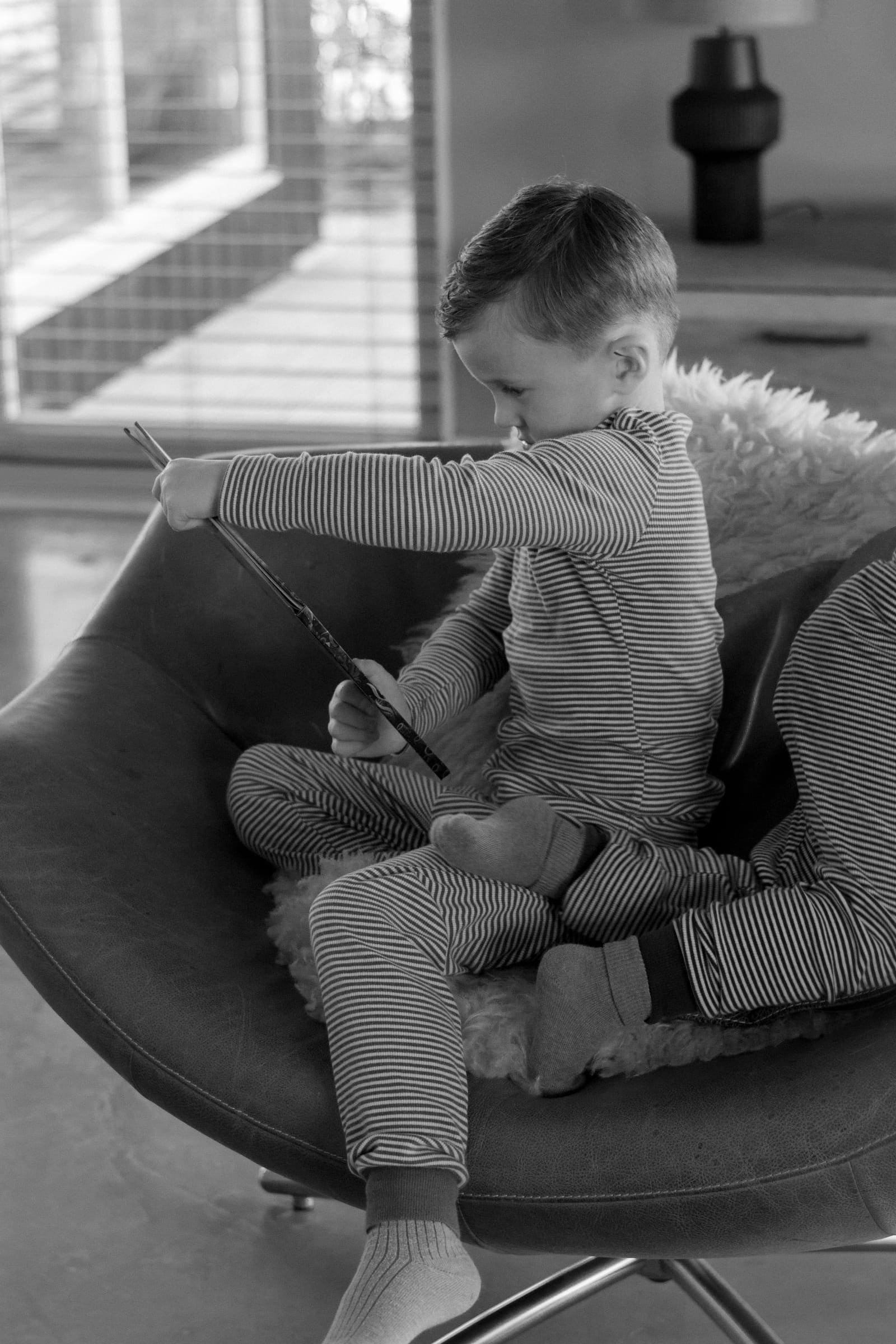
Kids can create their own drawings, or you can use AI-powered illustration tools. The big advantage? The style stays consistent across all pages—even when thirty different kids contribute. Type in each group’s text, then choose an illustration style that fits your story’s mood. The platform instantly turns your pages into a beautiful, professional layout. No tech skills needed—just follow the guided steps.
Week 4: publishing and the class premiere
The big moment: a story isn’t finished until it’s shared. With one click, you can turn your digital masterpiece into a real, printed book using print-on-demand.
When the package arrives, hold a “class premiere.” Invite the principal, parents, or a younger class. The pride on your students’ faces when they see their names as authors on a gorgeous hardcover book is priceless. Suddenly, even reluctant readers are eager bookworms.
Why choose an all-in-one platform?
When you look for ways to make a book with your class, you’ll often find two extremes. On one side, traditional educational publishers offer great lesson ideas but leave you stranded when it’s time to actually make the book. On the other, generic design tools are often too complex for young kids and lack integrated print or sharing options.
Mr Tales takes a different, welcoming approach. It’s a complete platform designed to support creators—teachers and students alike—from the first idea to the finished book. The AI writing assistant helps you get past writer’s block. The illustration generator brings even the wildest ideas to life, no drawing skills required. The built-in publishing system handles the rest. The result isn’t just a craft project—it’s a high-quality children’s book worthy of any library shelf.
Frequently asked questions about making a class book
Doesn’t this take up a lot of teaching time?
Not at all. This project fits right into your language arts and creative curriculum. With just one hour a week over four weeks, it’s easy to fit into any schedule.
Do I need to be tech-savvy or artistic to lead this?
No. That’s exactly why platforms like Mr Tales exist. The technology is there to make the creative process easier, not harder. If you can send an email, you can create a book with your class in our intuitive design environment.
How do I make sure every child gets involved?
By working in scenes. If your story has twelve pages, split a class of twenty-four into twelve pairs. Each pair is responsible for the text and illustration ideas for their page. That way, the book truly belongs to everyone.
What about the copyright for our book?
You always keep control over your story. When you publish, you choose whether to order copies just for your class (for example, as a graduation gift for sixth grade), or make it available through the integrated marketplace for grandparents and others. You can even earn royalties to support class activities.
Time to write your own chapter
Every class is full of stories waiting to be told, shared, and treasured. You don’t need the perfect curriculum or endless free time. With the right guidance, a clear structure, and a platform that removes technical barriers, creating a children’s book can become one of the most memorable moments of the school year.
Anyone can be an author—including your class. Give creativity room to grow, spark imagination, and see how easy it is to create a world together. Start your story and bring the magic of a class book to your students.