How to turn your child's drawing into a magical storybook
How to turn your child's drawing into a magical storybook
Every parent, grandparent, or teacher knows that moment: a child comes running over, beaming with pride, holding up a piece of paper. On it, you see a three-eyed creature, a sun in the corner, and a house floating in midair. You smile, praise their creativity, and stick it on the fridge. But eventually, it ends up in a storage box—or worse, in the recycling bin.
That’s a shame. Because that drawing isn’t just random lines and colors. It’s a window into your child’s imagination. They didn’t just doodle—they captured a moment from a much bigger adventure.
Instead of just saving the drawing, why not turn it into a lasting keepsake? Even if you don’t consider yourself creative or a natural storyteller, it’s surprisingly easy to transform a single drawing into a real, custom storybook. You don’t need special skills—turning a simple sketch into a professionally printed story you’ll cherish forever is easier than you think.
Why your child's drawing is more than just marker on paper
Turning your child’s artwork into a story isn’t just a fun project—it’s also fantastic for their development. Education experts say the “draw first, then write” approach is a powerful learning tool.
Studies show that drawing activates the brain visually, physically, and linguistically—all at once. When you combine this “triple-coding” with storytelling, it can boost your child’s memory by up to 40%. Plus, creating original stories from their own drawings helps kids express themselves and manage emotions much more than just coloring inside the lines.
So you’re not just rescuing a memory from the trash—you’re validating your child’s ideas. You’re telling them: your imagination matters.
The visual decoding framework: how to read a drawing
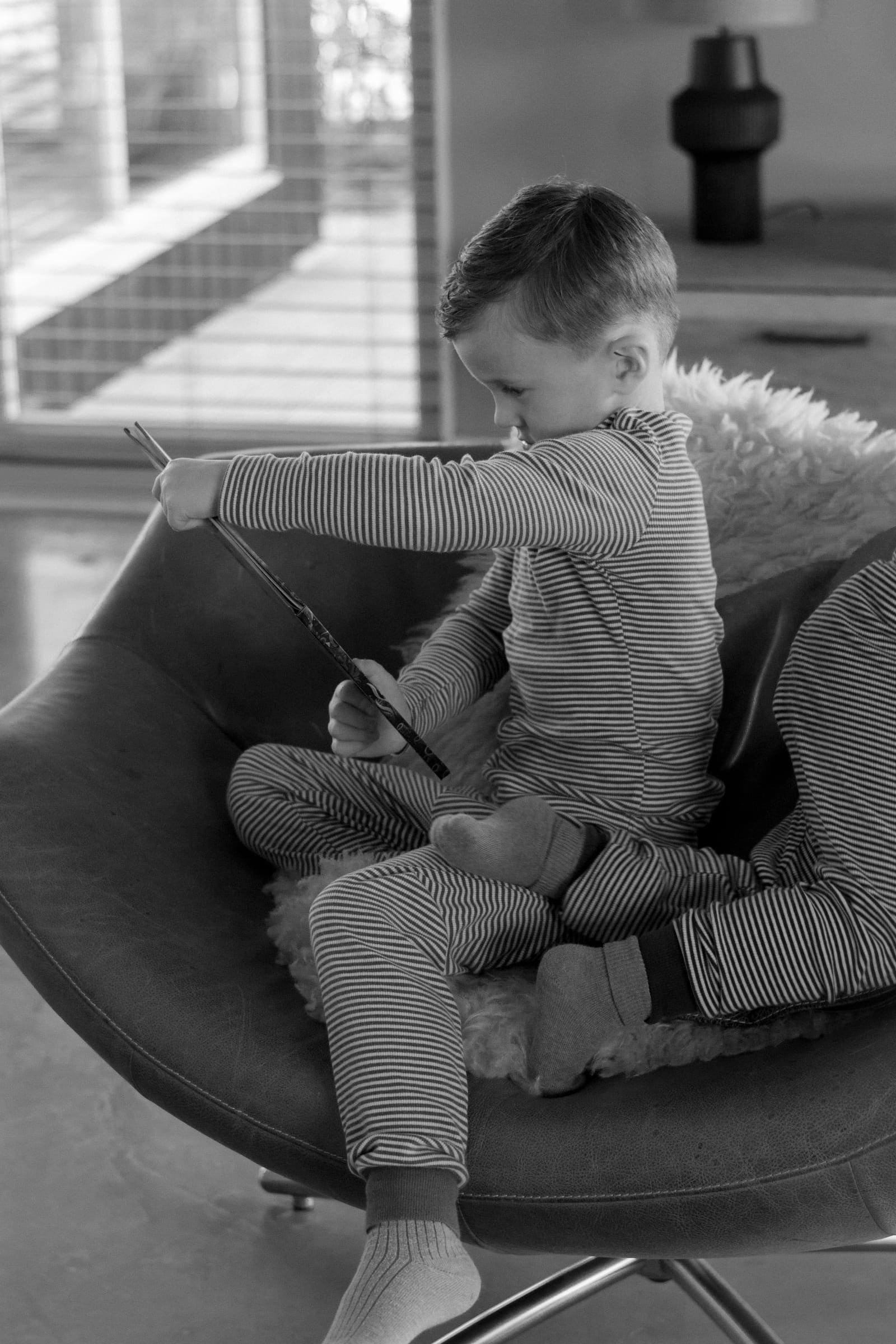
The biggest challenge for most adults is thinking, “I have the drawing, but I’m stuck on the words.” The good news? You don’t have to make anything up. Just observe. By visually decoding, you use elements from the drawing as the building blocks for your story.
The hidden legend inside every child’s drawing
Take a close look at your child’s masterpiece. Notice these details:
- Proportions: What’s drawn the biggest? In a child’s world, that’s what matters most—or what feels most intimidating. If the flower is bigger than the house, maybe it has magical powers.
- The sun in the corner: Almost every kid draws one. Is it a happy sun? That could mean a new adventure is starting. Does the sun wear sunglasses? Maybe you’re in a world where everything’s a little cooler and bolder.
- Floating elements: Things not touching the ground (like a dog in the sky) often signal chaos, magic, or a surprise twist in the story.
The 3-minute interview: story prompts without the “homework” vibe
To find the story, step into your child’s shoes. Don’t ask, “What is this?” (that can make them feel like their drawing is wrong). Instead, ask questions that spark their imagination.
Try these five questions to draw out the story—without making it feel like schoolwork:
- “Who is the hero in this picture, and what’s their biggest secret?” (Instantly creates a main character with depth).
- “What happened one minute before you drew this?” (Gets your child thinking about action and cause).
- “If I could step into your drawing, what’s the first sound I’d hear?” (Adds sensory details to your story).
- “What is this character most afraid of?” (Every good story needs a little conflict or challenge).
- “How does this adventure end happily?” (Wraps up your story).
Tip: Record the conversation on your phone or use a voice assistant. That way, you won’t miss a single detail and can focus fully on your child.
From one character to a timeline: the before-during-after method
You’ve got a drawing and a handful of answers. How do you turn that into a whole book? The secret is “micro-storytelling”—zooming in on a single moment.
You don’t need your child to make fifteen more drawings. Just take that one character and create a “Before, During, and After” timeline.
- Before (The beginning): Introduce the hero in their normal world. What were they doing before the big adventure?
- During (The drawing): This is the highlight—the moment captured on paper.
- After (The ending): What happens when the hero comes home? What did they learn?
With platforms like Mr Tales, you can easily build on this idea. The AI writing assistant helps you turn your timeline into a beautifully flowing story. Plus, with smart illustration tools, you can use your child’s drawing style to create extra pages—no extra drawing needed.
Let’s say your child drew a purple creature wearing sunglasses (the “During” moment). With the Mr Tales illustration generator, you can bring that purple creature back for other scenes—maybe in a jungle (the “Before” moment) or tucked into bed (the “After” moment)—all in your child’s unique style. In just minutes, you’ll have a seamless visual story.
Frequently asked questions (FAQ) about storymaking
“I’m not a writer—can I really do this?”
You don’t need to write like a pro. It’s all about connection and imagination. Mr Tales’ AI features help you turn rough ideas or notes into a warm, engaging story—just right for your family.
“My child mostly draws scribbles and shapes. What then?”
Scribbles are full of emotion! Don’t ask what it is—ask how it feels. “Does this red squiggle look angry, or is it running really fast?” Abstract art can be a wonderful backdrop for a story about feelings, colors, or sounds.
“Doesn’t making a real book take a lot of time?”
That used to be true, when you needed expensive design software or a traditional publisher. Now, with an all-in-one platform, you can write, design, and send your book to print in a single afternoon. We’ve made the process easy and fun.
Ready to bring imagination to life?
A child’s drawing is too precious to hide away. It’s the blueprint for a story waiting to be told. By visually decoding, asking curious questions, and using modern, easy-to-use creative tools, you can turn fleeting moments into lasting pride.
The drawing is already on your table. The imagination is right at home. All that’s missing is the place where they come together. Start your first adventure today and discover how special it is to hold a real book you created together.