Why kids light up when they see themselves in personalized stories
There’s nothing quite like the moment a child realizes a story was written just for them. Their eyes widen, a smile appears, and suddenly—“Hey, that’s me!”
If you’re thinking about creating or buying a personalized children’s book, you might wonder: is it just a fun touch to see your child’s name in print, or does it actually help their development? Is it a clever gimmick, or a truly valuable learning tool?
Let’s dive into the fascinating world of child development and brain science. It turns out, a story where a child sees themselves isn’t just a novelty—it’s a powerful boost for language, empathy, and self-confidence.
More than a gimmick: the mirror effect
To understand why personalized stories work so well, psychologists talk about the “mirror effect.”
Around 18 to 24 months, toddlers hit a big milestone: they pass the “Rouge Test” (mirror recognition test). For the first time, they realize the face in the mirror is their own. From then on, their brains are especially sensitive to anything that’s “about me.”
When a child hears their own name or sees an illustration that looks like them, the brain’s self-relevance network lights up. This has a direct, measurable impact on how they process information:
- Less cognitive effort: Kids don’t have to work as hard to imagine themselves in the story, freeing up brainpower for learning.
- Faster language growth: Research by Dr. Natalia Kucirkova, a leading expert in personalized children’s media, shows kids can pick up new vocabulary up to 40% faster from personalized books compared to regular ones.
- Greater engagement: Studies from the UK’s National Literacy Trust found that children laugh and smile three times more often when they’re the star of their own story.
No wonder that special book you made for your child, niece, or student gets pulled off the shelf night after night. It’s not just a story—it’s a safe place to explore their own identity.
Growing with your child: how stories adapt over time
Children develop in leaps and bounds. The beauty of a custom storybook is that you can tailor it exactly to your child’s emotional and learning stage.
Stage 1 (ages 1-2): Discovery and the “that’s me!” moment
At this age, it’s all about recognition and feeling safe. Stories don’t need a complex plot. Simply seeing their name alongside daily routines—like brushing teeth or getting ready for bed—helps them make sense of their world. The book reassures them of their place in the family.
Stage 2 (ages 3-4): Empathy and understanding others
Around this time, kids start to realize that other people have their own thoughts and feelings. A personalized book is perfect for this stage. By placing your child in new, slightly challenging situations—like a first day at daycare or meeting a new animal—they can safely practice seeing things from another point of view. They watch “themselves” act bravely or kindly, encouraging those behaviors in real life.
Stage 3 (ages 5+): Confidence and problem-solving
As kids head to elementary school, social challenges grow. Personalized stories now become empowering. Your child isn’t just an observer—they’re the hero who solves a problem. This builds resilience and helps overcome reading slumps, since motivation to read about "yourself" is sky-high.
The science behind storytime: neural coupling
Beyond cognitive benefits, something amazing happens in the brain when you read a child a story made just for them.
Studies show that during storytime, the brain waves of the reader and listener actually sync up—a phenomenon called neural coupling. Add a personalized element, and the effect gets even stronger.
Why? Because a personal story triggers oxytocin (the bonding hormone) and dopamine (the reward hormone). Your child doesn’t just feel entertained—they feel truly seen and loved. The book becomes a tangible reminder of how important they are. It’s an anchor of emotional security.
Personalized or traditional: which is best?
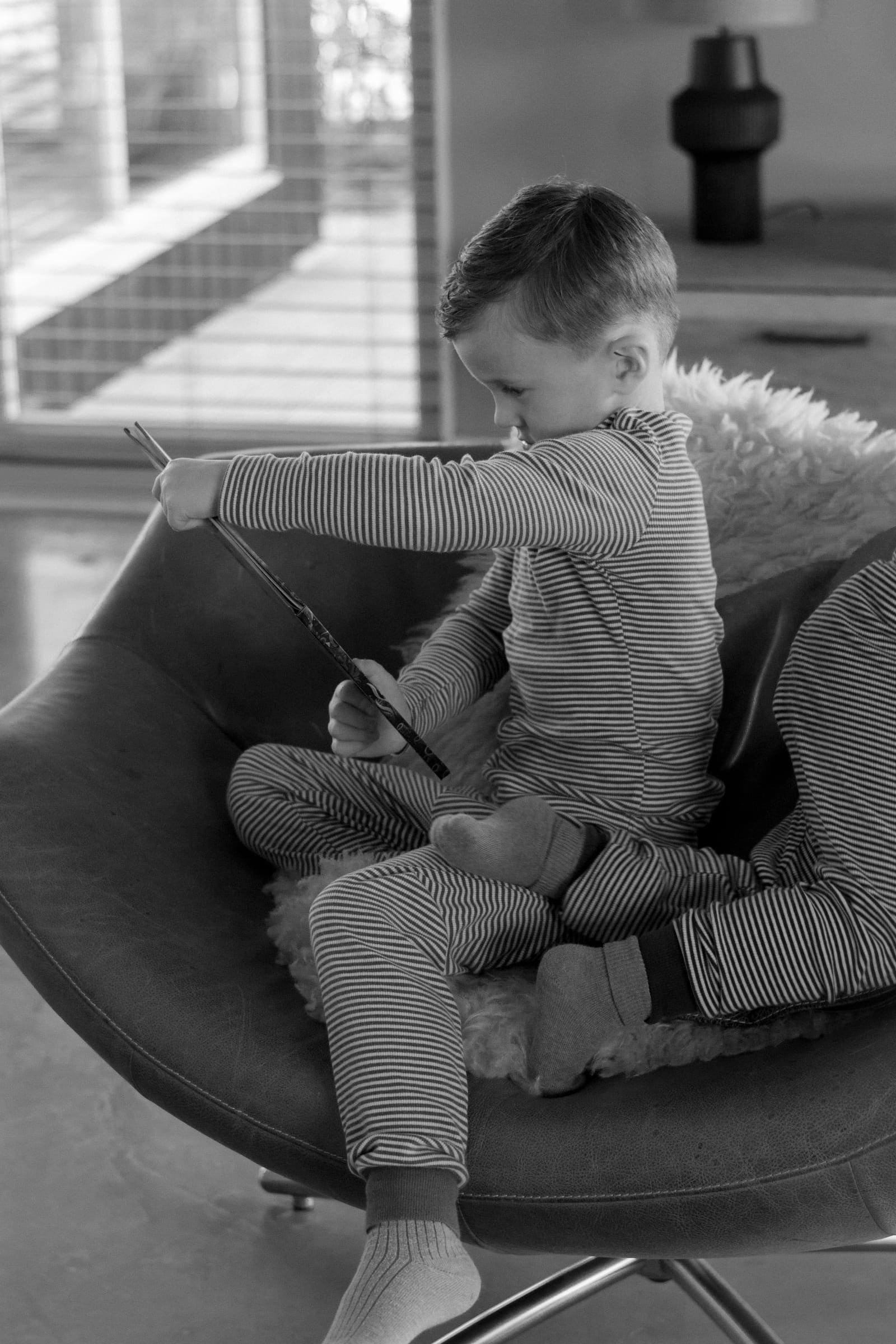
If you’re torn between a classic storybook and a custom one, know that they don’t compete—they complement each other. In children’s literature, we often talk about books as “windows” and “mirrors.”
Traditional books (Windows)
- Goal: Show your child the wider world.
- Strength: Introduce new cultures, perspectives, and creatures far from their own experience.
- Best for: Expanding horizons.
Personalized books (Mirrors)
- Goal: Help your child understand themselves.
- Strength: Build confidence, break through reading resistance, and process personal milestones (like moving or welcoming a new sibling).
- Best for: Emotional grounding and boosting language skills.
The human touch in a digital world
There are more personalized books on the market than ever. But many just drop a name into a generic story, or use AI-generated illustrations that can feel a little off or impersonal.
At Mr Tales, we believe in keeping the human touch. Technology and AI are great tools to help you create a beautiful book—even if you’ve never written or drawn before.
But the real magic comes from you. You set the warm tone of the story. You choose the illustration style that fits your child, tweak the text to sound just like you, and add those little personal details no algorithm could invent (like the name of a beloved, scruffy teddy bear). We provide the innovative tools—you bring the heart and soul.
Frequently asked questions about personalized children’s books
Isn’t reading a book about yourself a bit self-centered for a child?
Not at all. A strong sense of self is the foundation for empathy. Only when a child feels secure and understands themselves can they truly open up to others’ feelings. A personal book helps build that essential base.
How can I make sure an AI-assisted book still feels warm and authentic?
Authenticity comes from specific details. Use our writing tools as a starting point, not the finish line. Edit the text with your own family sayings, inside jokes, or traditions. Our easy design tools help you create a professional-looking book with cozy, kid-friendly styles you control from start to finish.
How long will a personalized book stay special?
A book that fits a child’s stage is often read over and over for weeks or months. Later, it becomes a keepsake—a “forever book” that captures a moment in their childhood and the bond you share.
Your story, their world: take the next step
Going from thinking about a personalized storybook to actually creating one is easier than you think. You don’t need a traditional publisher to share a story that truly matters.
Whether you’re a mom wanting to capture a bedtime story, a teacher hoping to boost a student’s confidence, or a creative soul with an idea for your community—you have what it takes to be an author.
The science is clear about the benefits. Now it’s time for imagination. Join us at Mr Tales, explore our intuitive writing and illustration tools, and watch your ideas come to life. Don’t just make it personal. Make it yours.