Why sidekicks and quirky grandparents make a children's story unforgettable
A children's book hero shines brightest thanks to the characters around them. In this article, you'll discover three essential roles a supporting character can play, which archetypes resonate with young readers, and how to make sure your sidekick is strong enough before you finish your story.
The main character's journey is shaped by their companions.
Think of the loyal dog quietly wagging its tail in the background, the quirky grandpa with pockets full of odd trinkets, or the slightly nervous friend bravely holding the flashlight at just the right moment.
Supporting characters are far more than background decoration. They're the emotional engine, the comic relief, and the mirror that helps your hero discover who they truly are.
The psychology of friendship in stories
Kids read not just for adventure, but to understand the world around them. Studies show that the way characters interact is crucial for children's social and emotional development.
When your main character connects with a sidekick, it helps develop what's called Theory of Mind—the ability to understand that others have their own feelings, thoughts, and intentions. Watching a brave hero comfort a scared sidekick, or a stubborn helper offer a totally different perspective, helps kids empathize with others' inner worlds.
Supporting characters let you explore complex emotions in a safe, relatable way—without needing to spell everything out.
The three roles of a great sidekick
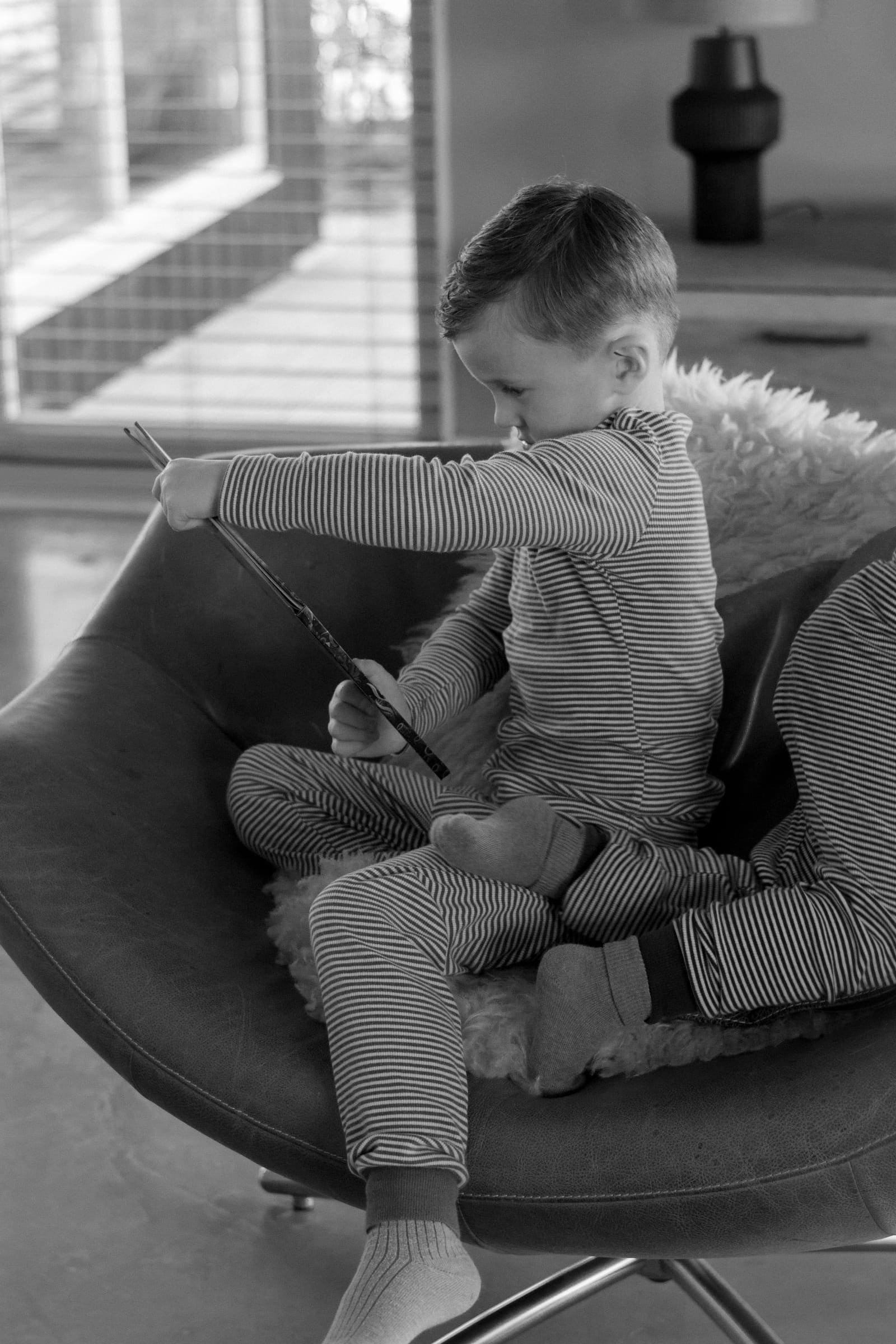
A great sidekick does much more than just tag along. They drive the story forward and add depth to your plot.
1. The emotional mirror. If your main character is always thinking, "I'm so scared," it gets repetitive. But with a friend, caring grandma, or talking animal, your hero can express feelings through dialogue and action. The sidekick asks the right questions, or their own reactions show just how tense the situation really is.
2. The story engine. Is your plot stalling? If your hero hesitates at the next step, an active sidekick can move things along. Maybe the main character is nervous about exploring the attic, but the bold sidekick pushes open the door—or accidentally knocks over a vase, making retreat impossible.
3. The comic contrast. Humor in kids' books often comes from contrast—a literary technique called the foil. Pair an organized, calm main character with a wild, chaotic squirrel, and you instantly get funny moments, relatable frustrations, and a heartwarming dynamic.
Three archetypes that always work
If you're writing your own story, tried-and-true archetypes can help you create strong dynamics right away.
The quirky grandparent. Kids often have a special bond with older mentors. This archetype blends wisdom with a hint of rebellion. Grandpa doesn't have to follow every rule—he might sneak an extra treat or join in a wild plan. He offers a safe haven, but also encourages adventure.
The animal companion. Whether they truly talk or just communicate with expressive looks and wagging tails, animal sidekicks stand for unconditional friendship. They don't ask tough questions, but offer quiet support—something young readers find comforting and familiar.
The foil friend. This is the buddy who's the opposite of your hero. If your main character is a dreamer, make the sidekick practical. If your hero is adventurous, pair them with a helper who'd rather stay home with a book, but tags along out of loyalty. The clash between these two personalities keeps the story moving.
Effortless diversity in supporting characters
More and more publishers are weaving diversity and inclusion naturally into their stories—it's just part of the world, not the main focus.
Supporting characters are perfect for this. Give your hero's best friend a wheelchair, let a helper have two moms, or introduce a character from a different cultural background. By not making a big deal of it, you help normalize diversity for kids. It's simply there, just like in real life.
Checklist: does your sidekick have enough depth?
Before you finish your story, ask yourself these four questions about your supporting characters:
Does the character have a clear purpose? Why are they in this chapter, and what do they add to the scene?
Is there contrast? Does the sidekick's personality, way of speaking, or reactions differ enough from the main character?
Do they have a unique voice? Do they use certain catchphrases or move in a distinctive way?
Does your sidekick grow, even a little? By the end of the book, even a supporting character can be braver, wiser, or happier than when they started.
Ready to bring your characters to life visually? Check out the Mr Tales bookshelf to see how other creators have developed their supporting characters in a personalized children's book. Want to start your own? Head to the Mr Tales story creator.
Frequently asked questions about supporting characters in children's books
Do I need to be a professional writer to create a great sidekick?
Nope! The best supporting characters often come from real people or pets you know. Maybe it's that aunt with the infectious laugh, or your neighbor's stubborn cat. Drawing from your own experiences makes your characters authentic and relatable.
How do I keep a sidekick from stealing the spotlight?
Make sure your main character is the one making the big decisions and changing the most. The sidekick should support, reflect, or encourage. If you notice the sidekick solving every problem, scale back their role and give the key actions back to your hero.
Can I create illustrations for my sidekicks with Mr Tales?
Yes! The Mr Tales platform offers illustration tools so you can design consistent characters in different styles—even if you have no drawing experience.
How does selling my book through the platform work?
Once your book is finished, you can publish it through Mr Tales. Each book is printed to order and shipped directly to your reader—no upfront costs or inventory needed. You earn royalties for every copy sold. For more details, check the author plans page.
Your story deserves to be told
That quirky grandparent, loyal pet, or funny sidekick in your imagination deserves a place on the page. With a clear structure and the right tools, you can go further than you think. Visit the Mr Tales story creator and take the first step.