How a bedtime storybook can bring calm to chaotic evenings
A consistent bedtime story can lower stress hormones in children and help them fall asleep faster. But it only works if the story feels familiar and comforting. A personalized children's book featuring your child's name and world is more effective than any generic storybook.
"Just one more story?" And then, really, it's time to sleep. Every parent knows this moment. Your child is tired but resists bedtime—negotiating, stalling, anything to delay. What should be a peaceful evening can turn into a struggle. But your bedtime story matters more than you might think.
Why bedtime resistance is really a need for security
Kids who resist bedtime usually aren't full of energy—they're overstimulated. Their day has been packed with school, activities, decisions, and social situations. Their nervous system is still in high gear, even if their body is ready to rest.
What children need at night is a bridge from the chaos of the day to the calm of bedtime. A ritual that helps their nervous system slow down. Research from Cincinnati Children's Hospital shows that kids with a nightly reading routine fall asleep significantly faster than those without a set pattern.
Ironically, the more tired a child is, the harder it can be for them to settle down. Their stress hormones stay high. What helps isn't more activity, but a clear, predictable signal that it's time to wind down. A story that always begins the same way, at the same time, in the same place.
The psychology of recognition: why familiarity brings calm
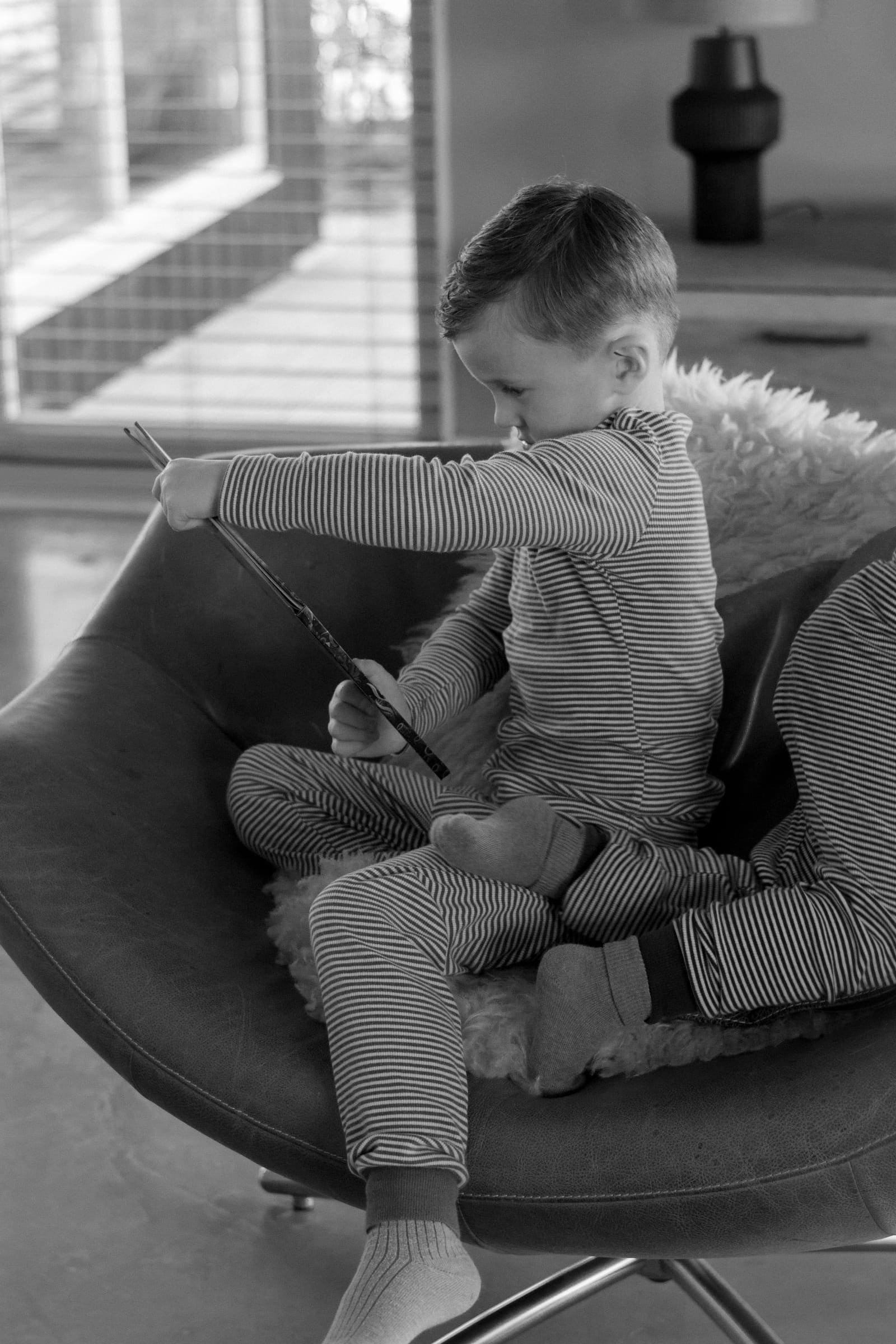
Studies show that children are more engaged with stories where they see themselves reflected. They listen longer, are less distracted, and remember the story better.
What happens when your child sees themselves brushing their teeth in a Mr Tales book? Or snuggling into bed just like the hero of the story? Their brain connects the story to their own life. The story becomes a safe mirror.
This sense of recognition is exactly why personalized stories work so well as part of a bedtime routine. The story doesn't feel like something outside of them—it feels like their own. Want to know more about the psychology behind this? Read our article on the psychology behind personalized stories for children.
Standard vs. personalized: the impact on bedtime
Aspect | Standard children's book | Personalized Mr Tales book |
Attention span | Depends on the story | Increased by self-recognition |
Cognitive effort | Child must identify with unfamiliar character | Recognition is instant and effortless |
Emotional safety | Depends on the theme | High—child's own name and familiar world |
Time to calm down | Varies | Shorter thanks to predictable structure |
Three steps to a stress-free bedtime routine
Step 1: create a clear transition with a physical cue
Give your child a physical signal that the evening is beginning. Some families use a small stone, a washcloth, or a special stuffed animal that only comes out at night. The ritual doesn't start with the first word of the story—it starts with this cue. Over time, your child's brain learns: this is when we switch gears.
Step 2: introduce a personalized bedtime story
Pick a story and stick with it. Don't switch it up every night. For young children, repetition isn't boring—it's comforting. They know what's coming. They can follow along. They trust the story.
A Mr Tales book is perfect for this: it's always the same, it's about them, and it has a soothing pace. Explore the available stories in the Mr Tales bookshelf.
Step 3: end storytime with a simple breathing anchor
Finish with three slow breaths together. In through the nose for four counts, out through the mouth for six. Do it every night. After a few weeks, your child will associate this breathing with sleep, and their body will start to relax automatically.
Frequently asked questions about reading aloud and emotional regulation
Isn't a personalized book just a fun gift, not a real bedtime tool?
It's a fair question. It's both! But the effect of recognition is backed by research—not just marketing. Why children recognize themselves in personalized stories explains what happens in the brain when a child hears their own name in a story.
What if my child gets more excited or active during storytime?
That's normal with new books. The excitement is part of the learning process. After a few nights with the same story, the novelty fades and the repetition works its magic. Give it a week before you judge the results.
Can I create a routine storybook myself if I'm not tech-savvy?
With Mr Tales, you don't need any technical skills. Just fill in the details and our tool does the rest. Learn more about how it works on our page about building a bedtime routine around a recurring book.
Give your evenings the calm you deserve
A consistent bedtime ritual with a personalized story really works. Your child knows what to expect. The story feels safe. The evening ends more peacefully.
Start small. Pick a night. Read the same book. See what happens. You may notice the difference sooner than you think.